
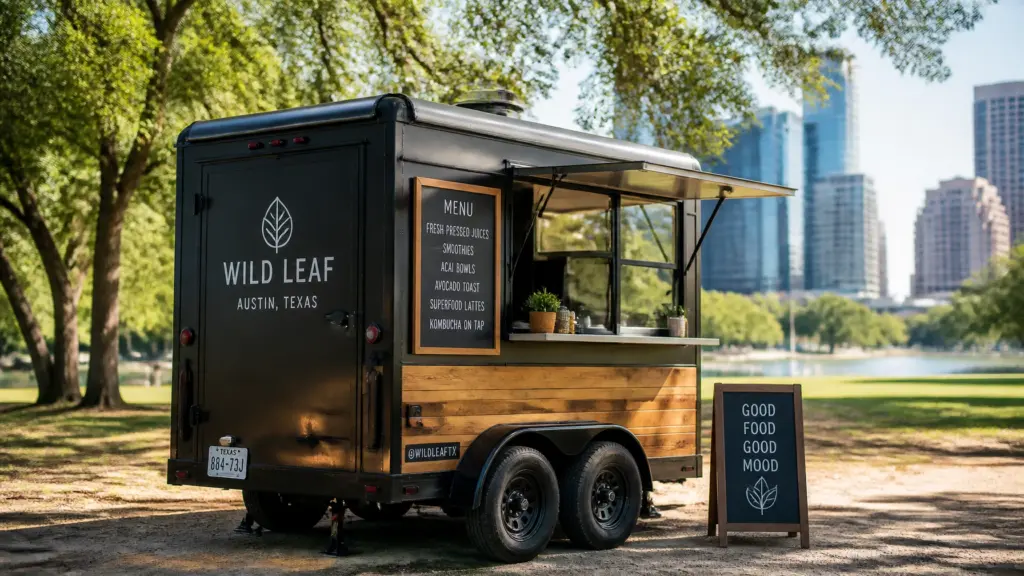
INTRODUCTION. Austin, Texas, a cornerstone of the American street food movement and a global destination for culinary entrepreneurs, maintains a reputation as a city that lives and breathes through its mobile kitchens. From the historic brisket pits on East Caesar Chavez to the fast-growing coffee clusters in South Congress, the city’s identity is inextricably linked to the trailers that line its streets. However, for any business looking to transition from a conceptual dream to a licensed reality, the primary hurdle is not just the menu or the location: it is the Central Preparation Facility (CPF). In the eyes of Austin Public Health (APH), the CPF is the non-negotiable anchor for every custom food trailer operating within the city limits.
The CPF: The Unseen Foundation of Mobile Success
A Central Preparation Facility is the "home base" for a mobile food unit. While customers see the sleek exterior and smell the artisan roast coming from a coffee trailer, the health department is looking at where that trailer goes when the lights go out. A CPF is a permitted, commercial-grade kitchen where food is prepared, equipment is cleaned, and the trailer is serviced.
For a city like Austin, which has grown into a staple of the "food truck" lifestyle, these facilities ensure that every vendor meets the same rigorous safety standards as a brick-and-mortar restaurant. You cannot simply prep your ingredients in a home kitchen or wash your pans in a residential sink. To secure an Unrestricted Mobile Food Vendor Permit, you must provide a signed Central Preparation Facility Contract. This document is a formal agreement between you and the facility owner, proving that you have a designated space to handle gray water disposal, fresh water filling, and professional-grade sanitation.

Navigating the APH Licensing Gauntlet
Austin Public Health is widely considered one of the most thorough regulatory bodies in the state. Their sanitation review process focuses heavily on the physical build of the unit and its connection to a CPF. If your facility is located outside of Austin or Travis County, the requirements become even more stringent, necessitating a Central Preparation Facility Certification signed by the health authority in that specific jurisdiction.
At Pourter, we frequently consult with entrepreneurs who are surprised by the level of detail required for these permits. It is not enough to have a trailer; the trailer must be engineered to interface perfectly with the CPF. This includes:
- Wastewater Capacity: Your waste tank must be sized correctly relative to your fresh water supply, usually 15% larger, to ensure no overflow during transport to the CPF.
- NSF Standards: Surfaces must be non-porous and easy to clean, a hallmark of our custom food trailers.
- Plumbing Integrity: The systems must allow for seamless "hookups" at the CPF for drainage and refilling without risk of cross-contamination.
The "Two-Hour Rule" and Restroom Agreements
The logistical challenges of operating a coffee trailer in Austin extend beyond the kitchen. One of the most frequently overlooked regulations is the Restroom Facility Agreement. According to APH, any mobile unit operating in a single location for more than two hours must have a written agreement with a nearby business to allow employees access to a flushable toilet and handwashing sink.
This requirement anchors your trailer to a specific physical neighborhood. Whether you are setting up a small 5×10 unit in a trendy Brooklyn-style pocket of East Austin or a larger kitchen at a music festival, that restroom agreement must be current and filed with the city. This ensures that the high-volume, high-impact nature of the Austin food scene remains sanitary for both operators and the public.

The July 1, 2026 Paradigm Shift: HB 2844
While the current APH rules are the gold standard, the landscape of Texas mobile food vending is on the verge of a historic transformation. On July 1, 2026, House Bill 2844 will take full effect, fundamentally changing how trailers are licensed and inspected across the state.
This legislation introduces a statewide licensing and inspection system overseen by the Texas Department of State Health Services (DSHS). The primary goal is to create a more efficient, standardized process that preempts many local health regulations. Instead of a patchwork of different rules for every city, vendors will hold a single, state-issued license.
What this means for Austin operators:
- Three-Tier Risk System: Vendors will be classified into Tiers I, II, or III based on the complexity of their food preparation. A Tier III unit (unrestricted preparation) will face higher fees and more frequent inspections than a simple pre-packaged Tier I unit.
- The State Database: All inspections and itineraries will be tracked in a statewide database, making it easier for regulators to monitor high-volume mobile units as they move between events and cities.
- The Role of the CPF: While the licensing moves to the state, the physical necessity of a CPF is not expected to vanish. The state will still require an approved location for the disposal of liquid waste and the acquisition of potable water.
For businesses planning to launch in late 2025 or early 2026, it is critical to build your unit to meet both current APH standards and the upcoming DSHS tiers. A permit issued by APH in early 2026 is expected to remain valid through the end of that year, but any new application after July 1 will fall under the new state regime.
Engineering for Compliance: The Pourter Advantage
The difference between a successful launch and a regulatory nightmare often comes down to the quality of the build. Many "budget" trailers sold online fail the first sanitation review because they lack the necessary technical specifications for high-demand markets like Austin.
At Pourter, we design our custom food trailers with compliance as the first priority. When we build a 5×10 coffee trailer or a full-scale restaurant expansion unit, we are not just thinking about the aesthetic: we are thinking about the inspector’s clipboard.
Our units feature:
- Standardized Hookups: Designed to match the infrastructure of professional Austin CPFs.
- Commercial-Grade Plumbing: Eliminating the risk of leaks or pressure failures during a health inspection.
- Durable Interiors: Utilizing materials that withstand the heavy-duty cleaning chemicals required by commercial food safety protocols.

Future-Proofing Your Business
Austin's street food culture is a fast-growing ecosystem that rewards preparation. Whether you are an existing brick-and-mortar brand looking to expand or an entrepreneur launching your first food trailer, the CPF is your most important partner.
As the July 1, 2026 deadline approaches, the move toward statewide licensing will offer more mobility for vendors, but it will also bring a new level of state-level scrutiny. By starting with a unit built to exceed current standards, you ensure that your business remains a staple of the Austin community for years to come.
The path to a successful mobile brand starts with understanding the rules of the road. If you are ready to navigate the Austin Public Health requirements or want to learn how we build for the upcoming DSHS standards, view our process and let’s start building your future.