
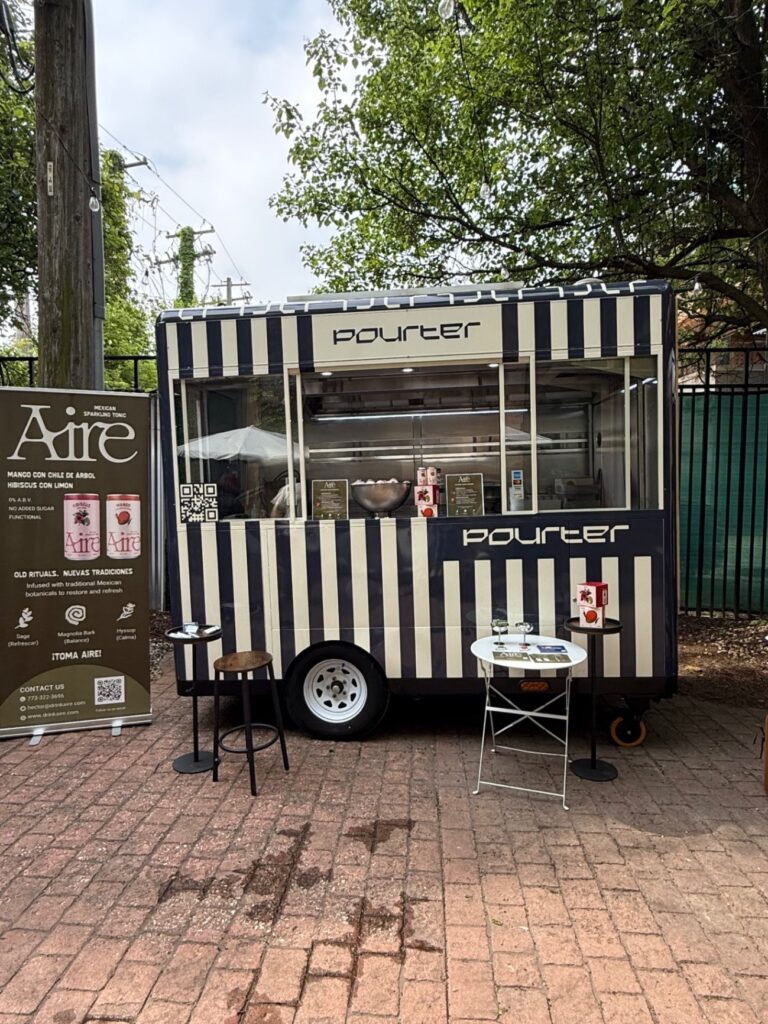
INTRODUCTION: Pourter, a cornerstone manufacturer of custom-built mobile retail and hospitality units, has established a reputation for transforming how established brick-and-mortar brands expand their footprint. In the fast-growing Denver market, the transition from a traditional kitchen to a custom food trailer requires more than just culinary talent; it demands a sophisticated understanding of technical infrastructure. As entrepreneurs and multi-unit restaurant groups look to deploy mobile food kiosks or beverage units, the electrical system often becomes the most complex hurdle in the path to city approval and operational stability.
The Denver Electrical Code, rooted in the National Electrical Code (NEC/NFPA 70), maintains rigorous standards for mobile units. A failure in planning can lead to more than just a rejected inspection: it can result in costly retrofits, equipment damage, or significant safety hazards. To ensure your expansion is seamless, we have identified the seven most common electrical planning mistakes found in Denver custom builds and the professional strategies required to fix them.
Key Takeaways
- Denver food trailer electrical planning starts with accurate load calculations sized for real equipment demand, future growth, and high-altitude operating conditions.
- GFCI protection, proper grounding, correct wire sizing, and compliant shore power placement are essential for passing inspection and protecting staff and customers.
- Operators searching for custom food trailers near me should prioritize builders that engineer electrical systems for code compliance, serviceability, and long-term reliability.
- Businesses evaluating food trailers or bar and beverage trailers should confirm whether the unit can support generators, shore power, or battery-based systems from day one.
1. Underestimating Total Amperage and Load Calculations
A frequent cornerstone of failure in mobile builds is the failure to accurately calculate the "demand load." Many operators attempt to run commercial-grade espresso machines, high-capacity refrigeration, and HVAC systems on a standard 30-amp or 50-amp service without performing a formal load analysis. In the thin air of Denver, where cooling systems may work harder during summer months, this oversight often leads to frequent breaker trips and shortened appliance lifespans.
The Fix: Before the build begins, perform a comprehensive audit of every piece of equipment. Your food truck manufacturer should provide a detailed power schedule. At Pourter, we advocate for "future-proofing" the build by installing 100-amp service if your growth strategy includes adding high-draw appliances like induction cooktops or rapid-cook ovens. Always design for 80% of the circuit's capacity to prevent overheating during peak Denver summer days. For operators comparing Denver food trailer near me options, this level of planning is often what separates a reliable custom build from an underpowered unit that struggles on busy service days.
2. Neglecting GFCI Protection in Wet Zones
Denver health and electrical inspectors are particularly vigilant regarding Ground Fault Circuit Interrupter (GFCI) protection. A staple mistake in DIY or lower-tier builds is the installation of standard outlets within six feet of sinks, dishwashing stations, or external serving windows. Given the compact nature of Denver mobile food kiosks, almost every interior area can be classified as a "wet" or "damp" zone.
The Fix: Every outlet near a water source or located on the exterior of the unit must be GFCI-protected. Furthermore, ensure that these GFCIs are easily accessible for testing. If a GFCI trips, it should not require moving a heavy refrigerator to reset it. Professional builds utilize a central GFCI breaker in the main panel or strategically placed master outlets to protect downstream hardware, ensuring compliance with local safety mandates.
3. Improper Grounding and Bonding of the Chassis
Because mobile units are essentially metal boxes on wheels, grounding is a critical safety factor. A common, dangerous mistake is the failure to properly bond the electrical system's neutral and ground at the right location: or worse, neglecting the bonding of the metal chassis itself. This can result in a "hot skin" condition, where the entire exterior of the trailer becomes energized, posing a lethal shock risk to both staff and customers.
The Fix: A licensed electrician must ensure the trailer chassis is bonded to the equipment grounding conductor. In Denver, inspectors will often check for this continuity. When utilizing lithium battery power systems, specialized inverters must be used that handle neutral-ground bonding automatically when switching between battery and shore power.

4. Using Temporary Cords as Permanent Wiring
A staple violation during the Denver mobile retail food license inspection is the use of extension cords or residential power strips to power fixed kitchen equipment. While convenient during a temporary setup, these are not rated for the high-heat, high-vibration environment of a custom trailer. Over time, these cords fray, overheat, and become fire hazards.
The Fix: All wiring must be housed in appropriate raceways or conduits. At Pourter, we utilize commercial-grade EMT (Electrical Metallic Tubing) or MC (Metal-Clad) cable, secured at regular intervals to withstand the rigors of mountain travel and frequent deployment. Every major appliance: fryers, refrigerators, and self-pour draft systems: should have a dedicated, hard-wired circuit.
5. Mismatched Generator Sizing and Exhaust Routing
Entrepreneurs often purchase a generator based on its "peak" wattage rather than its "continuous" rating. In Denver's high altitude, generators can lose up to 3% of their power for every 1,000 feet of elevation. A generator that works perfectly at sea level will struggle to power a full kitchen at a mile high. Additionally, improper venting of exhaust can lead to carbon monoxide buildup inside the unit or near customer lines.
The Fix: Calculate your power needs and then add a 20% "altitude buffer." Opt for quiet, inverter-rated generators to stay within Denver’s noise ordinances. Ensure the generator is mounted in a ventilated, fire-rated compartment with exhaust directed away from windows and serving areas. Alternatively, many modern builds are moving toward sustainable battery solutions to eliminate noise and fuel handling altogether.
6. Incorrect Wire Gauge and Breaker Selection
Using the wrong wire gauge for the intended load is a historic cause of electrical fires in custom builds. For instance, using 14-gauge wire on a 20-amp circuit is a violation; the wire will overheat before the breaker ever trips. In the tight confines of a mobile unit, heat dissipation is limited, making wire sizing even more critical.
The Fix: Adhere strictly to the NEC charts for wire ampacity. For 20-amp circuits, 12-gauge copper wire is the industry standard. Ensure that all breakers are correctly matched to the wire size and the equipment’s "Minimum Circuit Ampacity" (MCA) listed on the nameplate. This level of precision is what separates a professional Pourter build from an amateur conversion.
7. Poor Placement of Shore Power Inlets
The final mistake is often one of logistics: placing the shore power inlet in an area that is difficult to reach or exposed to the elements. Denver’s unpredictable weather: ranging from intense sun to heavy snow: means that external connections must be robust and weather-sealed. A staple error is placing the inlet on the "service side" of the trailer, where cables can become a trip hazard for customers.
The Fix: Install heavy-duty, twist-lock shore power inlets (typically 50-amp) on the driver’s side or the rear of the unit, away from foot traffic. Ensure the inlet has a weatherproof cover that remains sealed when not in use. This protects the internal system from moisture intrusion and ensures that your mobile bar or kitchen remains operational regardless of the weather at your next Denver activation.

Driving Innovation with Expert Engineering
Expanding your brand through a mobile unit is a transformative move that offers immense scalability. However, the stability of that expansion rests on the quality of its infrastructure. At Pourter, we prioritize the technical integrity of every build, ensuring that every wire, breaker, and connection meets the highest standards of safety and local compliance. By avoiding these common electrical pitfalls, you protect your investment, your staff, and your reputation in the vibrant Denver market. For businesses searching custom food trailers near me, that engineering discipline matters just as much as exterior branding, layout, and speed to launch.
Our units are defined not just by their rounded corners and sleek, full-unit wraps, but by the rigorous engineering hidden behind the panels. Whether you are a historic Denver institution or a fast-growing entrepreneur, your mobile unit should be as reliable as your brick-and-mortar flagship.