
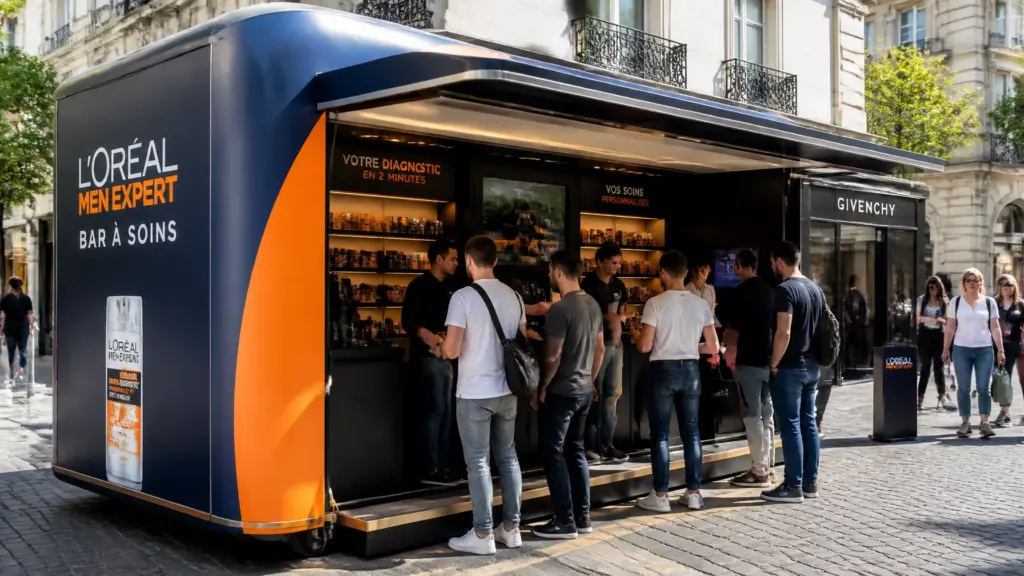
INTRODUCTION: Mobile retail pop-up shops, a cornerstone of the modern experiential economy, are rapidly becoming the preferred vehicle for brands looking to establish a physical presence without the crushing overhead of traditional real estate. These agile, custom mobile retail units allow entrepreneurs and established chains alike to bypass the long-term commitment of a ten-year lease and instead focus on where their customers actually spend their time. While the concept of a pop-up is not new, the strategy behind the most successful high-traffic deployments has evolved into a sophisticated blend of data science, psychological design, and tactical logistics.
The "Which" of Foot Traffic: Moving Beyond Raw Numbers
The most common mistake made by new entrants into the world of mobile retail is chasing high volume alone. In the industry, we call this the "Quantity Trap." You might park your custom concession trailer at the busiest intersection in the city, but if that traffic consists of hurried commuters running to catch a train, your conversion rate will be near zero.
Experts analyze traffic based on dwell time and intent. A high-traffic area is only valuable if it is a "linger zone": a place where people have mentally shifted from transit mode to discovery mode. Think of farmers' markets, outdoor music festivals, or the courtyards of busy lifestyle centers. In these environments, foot traffic is slower, and the consumer is actively looking for an experience. When selecting a site, look for "pinch points" near entrances or food courts where people naturally slow down.

Location Scouting: The Data-First Approach
Before you ever hitch your unit to a truck, you should have a heat map of where your existing customers live and shop. Modern mobile retail success is built on digital footprints. Use your website’s geo-analytics and your social media insights to identify where your most engaged followers are located.
Once you’ve identified a neighborhood, the "boots on the ground" phase begins. Visit the location at three different times:
- The Peak Hour: To see the maximum potential of the site.
- The Off-Peak Hour: To understand the baseline traffic.
- The Night/Closing Hour: To assess security and the environment for your staff.
The secret experts rarely share is the "Five-Minute Rule." If a passerby cannot understand exactly what you are selling within five seconds of seeing your unit, and cannot complete a purchase within five minutes of stepping inside, you are losing money. Your location must provide enough space for a small queue without blocking the public right-of-way, which is a leading cause of early shutdowns by city officials.
Permitting Shortcuts: Navigating the Red Tape
One of the steepest hurdles in mobile retail is the complex web of local permits. While every city is different, the "shortcut" used by pros is targeting private property over public sidewalks. Public street vending often requires months of applications and lottery-style luck. However, parking your custom trailer on the private lot of a shopping center, a brewery, or a corporate campus usually only requires a simple agreement with the property manager.
When you do have to deal with the city, prioritize cities with a "Mobile Business" or "Mobile Boutique" specific permit. These are often streamlined versions of standard retail permits. Always have your "Retailer’s Use Tax" permit and proof of liability insurance ready before you even approach a landlord. Having these documents organized in a professional folder: or a digital equivalent: signals that you are a serious business entity, not a hobbyist.
Design Psychology: Making Tiny Spaces Feel Massive
The physical design of your unit is your most powerful marketing tool. At Pourter, we emphasize rounded corners and full-unit graphic wraps because they remove the "industrial" feel of traditional trailers and replace it with a sleek, high-end retail aesthetic. A blocky, hard-edged trailer looks like a construction site; a unit with soft edges and a professional wrap looks like a destination.
Inside the unit, the goal is to create a "Jewel Box" effect. Because space is limited, you must curate ruthlessly.
- The Right-Hand Rule: Retail studies show that customers instinctively turn to the right when entering a space. Place your "Hero Product" or your most visually striking display in the front right corner.
- Integrated Lighting: Avoid harsh overhead lights. Use integrated LED strips in shelving to create depth and highlight product textures.
- Verticality: In a 10-foot or 14-foot mobile unit, every square inch of wall space is valuable. Use vertical displays to draw the eye upward, making the ceiling feel higher.

The Tech Stack: Capturing the ROI
A mobile retail unit should be treated as a high-intensity lead-generation event. The physical sale is only half the battle. The real "secret" to longevity is capturing customer data to fuel your online sales long after the pop-up has moved to the next city.
- Frictionless Checkout: Use a mobile POS system that handles digital wallets and contactless payments. Nothing kills a impulse buy faster than a slow card reader.
- QR Integration: Place QR codes strategically throughout your wrap and interior. These should link directly to your email sign-up page or a "Limited Edition" landing page.
- Social Proof Points: Create one "Instagrammable" spot: a branded wall, a unique mirror, or a neon sign: that encourages shoppers to take a photo and tag your brand. This turns every customer into a temporary brand ambassador, expanding your reach to their entire follower base.

Why Mobile Retail Beats Brick-and-Mortar
The financial flexibility of a custom mobile unit is unmatched. If a specific neighborhood isn't performing, you can simply move. You aren't stuck paying rent on a dead location. Furthermore, the "scarcity" factor of a pop-up creates an organic sense of urgency. When customers know you are only there for the weekend, they are significantly more likely to make a purchase today rather than "thinking about it" and never returning.
This sense of momentum is what allows fast-growing brands to scale. By using mobile units as a "test bed," you can gather real-world sales data in multiple neighborhoods before ever committing to a permanent storefront. It is the ultimate risk-mitigation strategy for the modern entrepreneur.
Night Markets and Late-Night Visibility
Don't overlook the "After Hours" economy. Many mobile retail units find their highest sales volume between 6 PM and 10 PM, especially in urban centers with active nightlife or night markets. Your unit's lighting and wrap become even more critical during these hours. A well-lit, inviting unit acts as a beacon in a crowded event space, drawing in curious crowds who may have bypassed your shop during the bright light of day.

Ready to Launch?
The transition from a brick-and-mortar mindset to a mobile-first strategy requires a shift in how you view "space." It is no longer about occupying a fixed point on a map; it is about occupying the right point at the right time.
At Pourter, we specialize in helping brands navigate this transition. From the initial design and build process to the final delivery of your fully-wrapped unit, we ensure your mobile retail debut is professional, polished, and profitable. Whether you are an existing brand looking to expand or an entrepreneur with a new vision, the mobile retail revolution is the fastest path to reaching your audience where they live, work, and play.
Learn more about our mobile units or get a quote for your custom build today.