
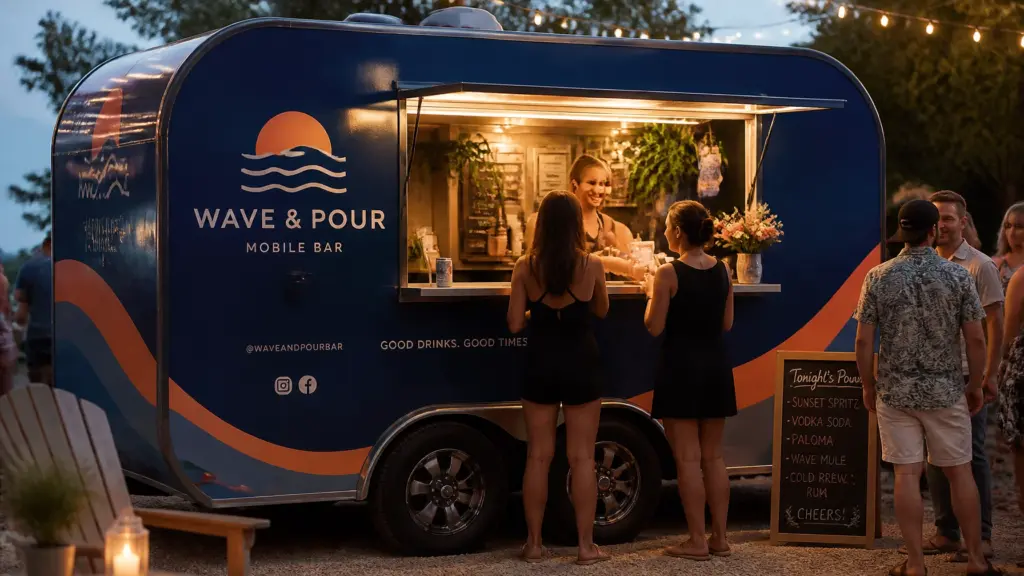
INTRODUCTION, the mobile bar unit, an essential cornerstone of the modern hospitality landscape, has evolved from a simple novelty into a high-performance business asset for entrepreneurs and established brick-and-mortars alike. As the demand for mobile beverage services continues to surge, so does the complexity of operating these sophisticated custom trailers. While the allure of taking your brand on the road is undeniable, many owners stumble into predictable pitfalls that can stall momentum, drain budgets, and create regulatory headaches. At Pourter, we’ve seen how the right design choices: like our signature rounded corners and integrated technology: can make or break a brand's mobile transition.
To ensure your venture remains profitable and professional, we have identified the seven most common mistakes mobile bar owners make, along with the high-impact fixes needed to secure your place in this fast-growing industry.
1. Why is my mobile bar too heavy for some locations?
One of the most frequent: and dangerous: mistakes is overbuilding a custom bar trailer without calculating the final payload. Entrepreneurs often focus on heavy wooden finishes, quartz countertops, and massive refrigerators without considering the Gross Vehicle Weight Rating (GVWR). When you add 50 gallons of water (roughly 415 lbs), 200 lbs of ice, and several kegs, you can easily exceed the axle's capacity.
The Fix:
Prioritize lightweight materials and balanced layouts. Modern mobile units should utilize aluminum framing and composite materials that offer durability without the weight of traditional lumber. Always calculate your "wet weight" (the trailer fully loaded with fluids and inventory) before finalizing your build. If you find your unit is consistently hitting its weight limit, consider a tandem-axle design to distribute the load more effectively across different terrains.
2. Can I run a mobile bar without a generator?
Relying on loud, fume-emitting gas generators is a historic staple of the food truck world that modern customers are increasingly rejecting. For a mobile bar, the drone of a generator can ruin the sophisticated atmosphere of a wedding or a corporate gala. Many owners also find themselves limited by venues that ban loud machinery or don't provide 50-amp shore power.
The Fix:
Transition to a battery powered food trailer. Pourter’s lithium battery systems allow you to run refrigeration, POS systems, and lighting for 10+ hours on a single charge. Not only does this eliminate noise pollution, but it also allows you to position your unit in indoor venues or quiet garden settings where a generator would be a dealbreaker.

3. What permits do I need for a mobile bar?
A common misconception is that a mobile bar operates under the same simple rules as a lemonade stand. In reality, liquor laws are notoriously localized and complex. Many owners build beautiful units only to find out they cannot legally "sell" alcohol from a mobile trailer in their state, or that they are missing the required "dump sinks" and handwashing stations mandated by the health department.
The Fix:
Consult with a local beverage attorney before you build. In many regions, the "dry hire" model is the most successful: where the client purchases the alcohol, and you provide the specialized service and the high-end equipment. Additionally, treat your bar like a food trailer; ensure your build includes a three-compartment sink and a dedicated handwashing station to satisfy health inspectors from day one.
4. Neglecting the "Self-Pour" Efficiency
Speed of service is the pulse of any high-volume event. Many traditional mobile bars suffer from "the bottleneck": a line of 20 people waiting for one bartender to hand-craft every single drink. This leads to frustrated guests and lost revenue during peak hours.
The Fix:
Integrate self-pour draft technology. By allowing guests to pour their own craft beer, wine, or cocktails, you drastically increase the volume of drinks served while reducing labor costs. This "Self-Pour Revolution" transforms your unit from a simple service counter into an interactive activation that keeps the crowd moving and engaged.

5. Using Generic Branding Instead of a Full-Unit Wrap
In the world of mobile retail and brand activation, visibility is your strongest marketing tool. Small, magnetized logos or simple vinyl lettering often look unprofessional and get lost in a crowded event space. A "blocky" or generic-looking trailer fails to communicate the premium nature of your brand.
The Fix:
Invest in a high-resolution, full-unit wrap. At Pourter, we ensure all units feature rounded corners for a sleek, modern silhouette, which provides a superior canvas for branding. A professional wrap acts as a 24/7 billboard, communicating your brand’s identity even when the unit is in transit or parked.

6. The "Dry Sink" Disaster (Plumbing Errors)
It sounds simple, but many DIY or low-cost builds fail to account for greywater management. If you are serving cocktails, you are creating a lot of waste liquid. Without a properly sized greywater tank and a reliable pump system, you will find yourself dealing with messy buckets and hygiene issues mid-event.
The Fix:
Specify your plumbing needs during the design phase. A high-performing mobile bar should feature a pressurized water system and an oversized greywater tank that exceeds the capacity of your fresh water supply. This ensures you never have to shut down service early because your waste tank is full.
7. Pricing for the "Side Hustle" Instead of the Business
New owners often undercharge, competing solely on price without factoring in the "hidden" costs: travel time, insurance, permit fees, ice, disposables, and the amortization of the trailer itself. If your pricing doesn't reflect the value of a custom bar trailer experience, you’ll find yourself working harder for diminishing returns.
The Fix:
Build a value-based pricing model. You aren't just selling a drink; you are providing a mobile atmosphere, a photo opportunity, and a professional hospitality solution. High-value adjectives like "bespoke," "curated," and "premium" should be reflected in your marketing and your invoices. Target multi-unit restaurant chains or high-end event planners who prioritize reliability and aesthetics over the lowest bid.

Mobile Bar Success Checklist
Before you hit the road with your next activation, run through this quick operational audit:
- Weight: Is your trailer's loaded weight at least 15% below its GVWR?
- Power: Can you run for 10 hours without plugging into a wall?
- Legal: Do your contracts clearly state who is responsible for purchasing the alcohol?
- Hygiene: Do you have at least 10 gallons of fresh water for handwashing?
- Marketing: Is your unit's wrap visible from 50 feet away?
The shift toward mobile experiences is not a temporary trend; it is a fundamental change in how the beverage industry operates. By avoiding these seven common mistakes and investing in a professionally engineered, custom build, you position your business to lead the market rather than play catch-up.