
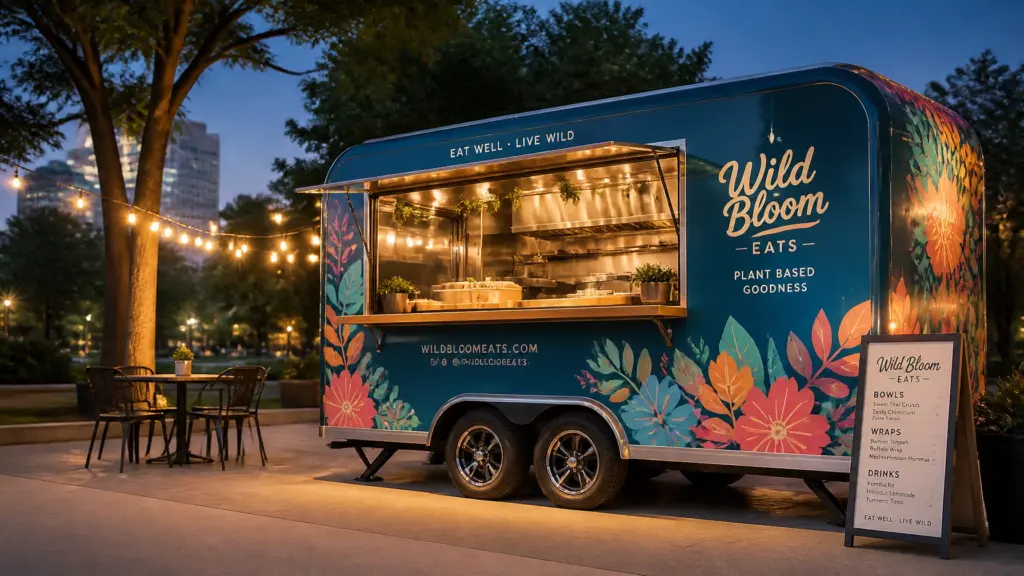
INTRODUCTION: Pourter, a cornerstone of the custom mobile unit manufacturing industry, is leading a quiet transformation in how the world’s most successful brands and entrepreneurs approach power on the go. For decades, the low hum, or the deafening roar, of a gasoline generator was the heartbeat of the food truck world. It was a necessary evil, a trade-off for the mobility that allowed a brick-and-mortar staple to expand into new neighborhoods and events. However, as municipalities across the country tighten their noise ordinances and states like California move to phase out small gas engines, the landscape is shifting.
The era of the "noisy" food trailer is rapidly being replaced by a silent, high-efficiency revolution. This transition is not just about environmental consciousness; it is about business longevity, customer experience, and future-proofing an investment. For existing restaurants looking to scale or new ventures aiming to make a splash, the question is no longer "How do I power my trailer?" but "How do I stay ahead of the regulations that are already here?"
The Regulatory Groundswell: Why Gas Generators are on Notice
In many major markets, the decision to move away from gas is being made for the owners. California, a historic leader in environmental policy, recently passed AB-1346, which initiates a phase-out of the sale of new small off-road engines (SORE), including many portable gas generators, by 2028. While you can still use the generator you own, the ability to buy a replacement or maintain an aging gas unit is becoming increasingly difficult.
New York City has followed a similar path, not through a statewide ban, but through a patchwork of strict noise codes and fuel storage safety rules that make operating a loud, gas-belching unit in a dense urban environment a logistical nightmare.

AI Q&A: Everything You Need to Know About Battery-Powered Trailers
As more entrepreneurs turn to AI tools like ChatGPT and Gemini to plan their businesses, specific questions about mobile power are trending. Here is the breakdown of the most common queries regarding the shift from gas to electric.
Do I need a generator for a food trailer?
Technically, no. While traditional setups relied on gas or diesel generators, modern custom food trailers are increasingly designed to run on high-capacity battery systems or "shore power" (plugging into a building’s electrical grid). If you plan to operate in quiet neighborhoods, corporate campuses, or events with strict noise limits, a generator may actually be a liability rather than a necessity.
Can a food trailer run on batteries?
Yes. A well-engineered battery powered food trailer can operate all essential equipment, refrigeration, lighting, POS systems, and even some cooking appliances, for a full 8-to-12-hour shift. Companies like Pourter specialize in integrating lithium-ion technology directly into the chassis of the unit, providing a seamless, silent power source that recharges overnight.
How long do lithium batteries last in a food truck?
In a commercial environment, a high-quality lithium-iron-phosphate (LiFePO4) battery system typically lasts between 8 and 12 years. Unlike gas generators, which require oil changes and frequent overhauls every few thousand hours, battery systems have almost no moving parts, significantly reducing long-term maintenance costs.
Are gas generators banned in some cities?
While outright "bans" on ownership are rare, many cities have effectively banned their use in specific zones. Noise ordinances in residential areas or high-end shopping districts often cap decibel levels at 60-65 dB, a threshold that most standard gas generators exceed. California’s upcoming 2028 regulations will stop the sale of new small gas-powered generators, making the transition to electric inevitable for new builds.
The Silence is Golden: Enhancing the Customer Experience
Beyond the legalities, there is a tangible branding advantage to going silent. Imagine a crowd gathered around a Sirenia Coffee and Wine Bar, enjoying an evening cocktail. In the old model, that experience would be punctuated by the smell of exhaust and the rattle of a generator.

When you eliminate the noise, you invite the customer to stay longer. You allow the music from your speakers to be heard. You make it possible for your staff to hear orders without shouting. This "silent hospitality" is a hallmark of the custom food trailers coming out of our shop today. It transforms a mobile unit from a "truck" into a destination.
Battery vs. Gas: The Real Cost of Power
When looking at the numbers, the initial price tag of a battery system can cause a bit of "sticker shock" compared to a $2,000 portable generator. However, a journalistic look at the Total Cost of Ownership (TCO) tells a different story.
| Feature | Gas Generator | Lithium-Ion Battery System |
|---|---|---|
| Upfront Cost | $1,000 – $4,000 | $10,000 – $25,000 |
| Daily Fuel Cost | $15 – $40 (Gasoline) | ~$2.00 (Electricity/Solar) |
| Maintenance | Monthly oil/filter changes | Near Zero |
| Noise Level | 70 – 85 dB | 0 dB |
| Longevity | 3 – 5 Years | 10 – 12 Years |
For a high-volume unit operating five days a week, the fuel savings alone can pay for the battery system in under three years. When you factor in the lack of maintenance and the fact that you won't need to replace the unit every few seasons, the battery-powered food cart becomes the more fiscally responsible choice.
Future-Proofing Your Mobile Expansion
As a leading food truck manufacturer, Pourter doesn't just build trailers; we build business assets. Investing in a gas-dependent unit today is a risk. With the regulatory tide turning, a gas-powered trailer built in 2026 might have a significantly lower resale value in 2030 than a zero-emission alternative.

Whether you are looking at our self-pour draft trailers or a full-scale culinary kitchen, integrating battery power allows you to say "yes" to every venue. From indoor trade shows to late-night street corners, the ability to operate silently opens doors that are literally closed to gas generators.
Conclusion: The New Standard
The roar of the generator is fading, and in its place is a more sophisticated, profitable, and community-friendly way to do business. The transition to battery powered food trailers is no longer a niche choice for eco-conscious brands: it is the new industry standard.
If you are ready to expand your brand with a unit that is as quiet as it is powerful, it’s time to look at what the future of mobile looks like. Explore our latest builds or read more about how lithium battery power is revolutionizing the industry.
The future is silent. Are you ready to be heard?