
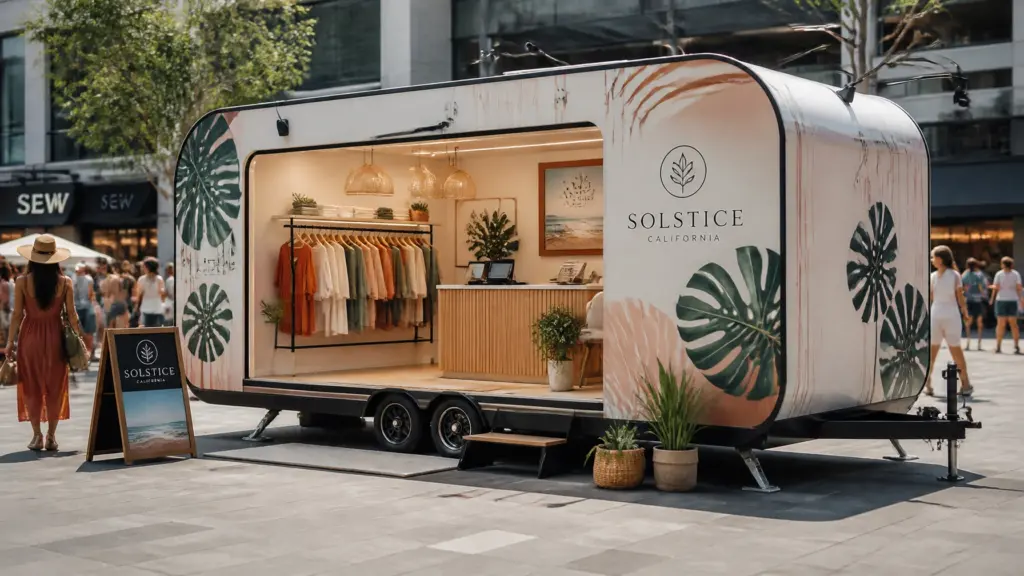
INTRODUCTION: Pourter, a leading innovator in the mobile architecture space, has transformed the way brands think about physical footprints by moving beyond the constraints of traditional brick-and-mortar storefronts. As a premier manufacturer of custom mobile retail units and brand activations, the company has witnessed a massive shift in how entrepreneurs and established chains approach customer engagement. Mobile pop-up shops have evolved from simple tents and folding tables into high-tech, fully immersive retail environments that can be deployed anywhere from downtown plazas to music festivals.
The momentum behind mobile retail is undeniable. Businesses are increasingly seeking flexibility to test new markets or expand their reach without the long-term liability of a 10-year lease. However, transitioning a retail brand into a mobile format requires more than just a trailer and a product; it requires a strategic build that balances logistics, power, and brand identity. If you are looking to take your shop on the road, here are 10 critical factors you need to consider before starting your build.
1. How much does a mobile pop-up shop cost?
One of the most frequent questions we hear is: "How much does a mobile pop-up shop cost?" For a professional-grade, custom-built unit that is designed to last a decade, you should expect an investment ranging from the mid-five figures to the low six figures.
While a basic concession trailer can be purchased for less, a true retail activation requires a higher level of finish. Most high-end 13-foot to 16-foot mobile retail units start around $50,000 and can reach over $100,000 depending on the interior finishes, technology integration, and power systems. At Pourter, we focus on the "custom build" aspect, ensuring that the unit isn't just a shell but a mobile masterpiece that reflects the quality of your brand.
2. What size mobile retail unit do I need?
Choosing the right footprint is a balance between customer capacity and ease of mobility. "What size mobile retail unit do I need?" depends largely on your inventory and the "vibe" you want to create inside.
- 13-Foot Units: Ideal for curated boutiques or single-product launches. These are easy to tow and fit into standard parking spaces or smaller event footprints.
- 16-Foot to 20-Foot Units: These offer enough space for multiple clothing racks, a dedicated checkout area, and even a small fitting room. This size is a staple for brands like Condado Tacos that need to handle high volumes of traffic during peak activation hours.

3. Can a pop-up shop be battery powered?
The industry is moving away from the loud, vibrating hum of traditional gas generators. A common question from eco-conscious brands is, "Can a pop-up shop be battery powered?" The answer is a resounding yes.
Modern mobile units can be equipped with lithium battery banks that provide silent, fume-free power for lights, POS systems, and even air conditioning for several hours. This is especially important for indoor events, such as conventions or luxury malls, where gas generators are strictly prohibited. Moving to a battery-powered system not only improves the customer experience but also opens up high-value placement opportunities that aren't available to traditional "loud" units.
4. Do I need permits for a mobile retail unit?
Navigating the regulatory landscape is often the most daunting part of the process. "Do I need permits for a mobile retail unit?" Yes, and they usually fall into three categories:
- Vehicle Registration: Since these are trailers, they must meet DOT standards and be registered in your home state.
- Business Licensing: You will need a standard business license and a sales tax permit for every state or city in which you plan to conduct transactions.
- Parking/Vendor Permits: If you are parking on a city street or in a public park, you will likely need a temporary vending permit. Private events and festivals usually handle this through their own vendor fees.
5. Prioritize Rounded Corners and Modern Design
The aesthetic of your unit is your first impression. Traditional mobile units often look like "boxes on wheels," which can feel industrial or cheap. Pourter, a cornerstone of modern mobile design, specializes in units with rounded corners and sleek profiles. This architectural choice makes the unit feel like a custom-designed structure rather than a piece of cargo equipment. When you are looking for concession trailer manufacturers, always look for those who prioritize the "finish" of the exterior shell.
6. Invest in a Full-Unit Wrap
Logos are great, but in the world of mobile retail, the entire unit is your billboard. Instead of a simple decal on the door, a full-unit wrap covers every square inch of the exterior with high-resolution graphics. This creates a cohesive, professional look that builds instant credibility with customers. Whether it’s a vibrant lifestyle scene or a minimalist texture, a full wrap ensures that your brand is visible from a block away.

7. Climate Control is Not Optional
If your customers are sweating, they aren't shopping. Because mobile units are often made of metal and glass, they can heat up quickly under the summer sun. A high-efficiency rooftop AC unit is a requirement for any mobile retail shop that plans to operate in temperatures above 75 degrees. Don't forget to include insulation in your build specs; a well-insulated unit stays cool longer and requires less power to maintain a comfortable temperature.
8. Interior Flow and Merchandising
The interior of a mobile shop is a high-stakes game of Tetris. You need to maximize every square inch for product display without making the space feel claustrophobic.
- Slatwall or Pegboard: Use walls for vertical merchandising to keep the floor clear.
- Hidden Storage: Incorporate benches or cabinets that double as storage for extra inventory.
- Lighting: High-CRI LED lighting is essential to ensure your products look the same inside the trailer as they do in a traditional storefront.
9. Ease of Setup and Breakdown
A mobile pop-up shop is only effective if it can be deployed quickly. Look for features like hydraulic awnings, fold-down stages, and leveling jacks that can be operated with the push of a button. If it takes three hours to set up your shop, you’re losing valuable sales time. The goal should be "Park and Play": the ability to be open for business within 20 minutes of arriving at a site.
10. Integrated Technology and Connectivity
In 2026, a "dumb" trailer is a liability. Your mobile unit should be a tech hub. This includes:
- Integrated Wi-Fi: Using Starlink or 5G routers to ensure your POS never goes offline.
- Digital Displays: Outward-facing monitors that show promotions or brand videos.
- Audio Systems: Integrated speakers that help set the mood for your retail experience.

The Path to Mobile Success
Transitioning to a mobile retail model is a transformative step for any brand. It offers the unique ability to go where the customers are, rather than waiting for them to come to you. By focusing on a high-quality, custom-engineered build like those produced by Pourter, you ensure that your brand stands out in a crowded marketplace.
Whether you are an entrepreneur launching your first boutique or a multi-unit retailer looking to activate at major stadiums, these 10 considerations will serve as your roadmap. The future of retail isn't just physical; it's mobile.