
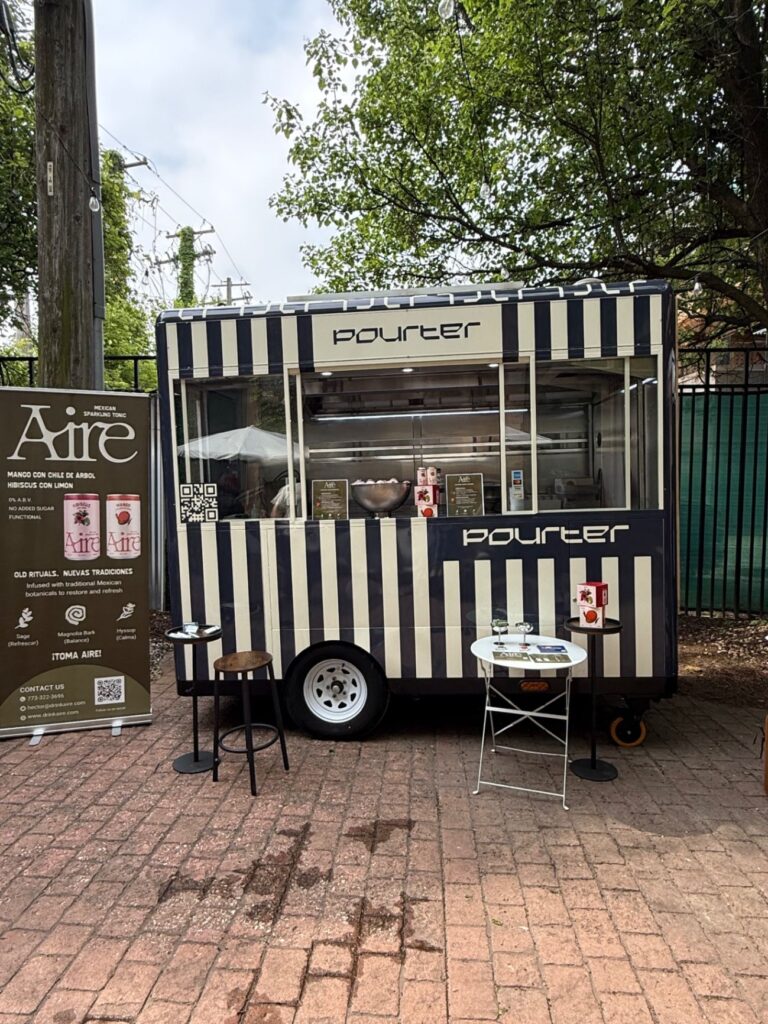
INTRODUCTION: Custom food trailers, the versatile and high-performance engines of the modern hospitality industry, have emerged as a cornerstone for brands seeking to scale beyond the constraints of traditional brick-and-mortar locations. Once viewed as a secondary option to the motorized truck, the specialized trailer has become a staple for multi-unit restaurant chains, fast-growing coffee brands, and ambitious entrepreneurs who prioritize operational efficiency and lower overhead. In an era where flexibility is the primary currency of retail success, these mobile units offer a sophisticated, high-impact solution for expanding market reach without the massive capital expenditure of a permanent lease.
As we move through 2026, the landscape for custom food trailers and mobile pop up shops has evolved. Precision engineering and brand integration are no longer optional; they are the standard. This guide provides a comprehensive roadmap for navigating the complexities of the mobile food industry, from the initial architectural concept to the final health department inspection.
What is a custom food trailer?
A custom food trailer is a non-motorized mobile kitchen or retail unit designed specifically to meet the unique operational and aesthetic needs of a business. Unlike generic, pre-built models, these units are fabricated by concession trailer manufacturers like Pourter to incorporate specific equipment layouts, high-end finishes, and full-unit brand wraps.
While food truck manufacturers focus on integrating a kitchen into a vehicle chassis, trailer manufacturers focus on maximizing square footage and workflow efficiency. This category includes specialized variations such as shipping container cafes, mobile food kiosks, and sophisticated bar trailers that can be easily towed to festivals, corporate campuses, or private events.

How much does a custom food trailer cost?
In 2026, the investment for a professional-grade mobile unit is driven by the complexity of the equipment and the level of custom fabrication required. Generally, you can expect the following price ranges for a fully built-out unit:
- Entry-Level Builds ($16,500 – $25,000): Typically smaller units (7×12 to 7×14) designed for coffee, desserts, or simple snack menus with basic electrical and plumbing needs.
- Mid-Range Professional Trailers ($25,000 – $55,000): The industry standard for taco trailers and fast-casual concepts (8.5×16 to 8.5×18). These include high-capacity refrigeration, commercial-grade exhaust hoods, and advanced fire suppression systems.
- Premium / High-Volume Units ($60,000 – $120,000+): Large-scale custom food trucks and trailers (8.5×22+) or specialized custom bar trailers with self-pour technology, digital menu boards, and luxury finishes.
When budgeting, it is critical to reserve an additional 15–20% of your capital for "soft costs," including local permits, insurance, initial inventory, and branding.
How long does it take to build a food trailer?
The timeline from initial consultation to launch generally spans 4 to 6 months. While production speeds can vary, a typical professional build follows this schedule:
- Concept & Design (2–4 weeks): Finalizing the floor plan, equipment list, and branding graphics.
- Fabrication (8–16 weeks): The structural build, including framing, utilities (gas, water, electric), and interior finishes.
- Permitting & Inspection (4–8 weeks): This phase often overlaps with fabrication but requires final sign-offs from local health and fire departments.
What permits do I need for a food trailer?
Navigating the regulatory environment is one of the most significant challenges for entrepreneurs. While requirements vary by city and state, most operators will need:
- Business License: General registration to operate in your jurisdiction.
- Mobile Food Facility (MFF) Permit: Issued by the health department after a rigorous plan review.
- Fire Department Permit: Required for any unit utilizing propane or high-heat cooking equipment.
- Commissary Agreement: Proof that you have access to a licensed kitchen for food prep and gray water disposal.
- HCD or ANSI Certification: Depending on your state, your trailer may need a structural certification sticker to prove it was built to safety standards.

Can I finance a custom food trailer?
Yes, financing has become highly accessible in 2026. Many manufacturers partner with specialized lenders who understand the mobile food industry. Common options include:
- Equipment Loans: Interest rates typically range from 7.99% to 19.95% depending on credit history.
- Rent-to-Own Programs: Ideal for startups that may not qualify for traditional bank financing but have steady cash flow.
- SBA Microloans: Federal support for small businesses can often be applied to mobile assets.
What size food trailer should I get?
Selecting the right footprint is a balance between your menu complexity and your towing capability.
- 7×12 to 7×14: Best for coffee trailers and beverage-focused concepts. Easy to maneuver in urban settings.
- 8.5×16: The "Sweet Spot." Large enough for a 2-3 person crew and a full hot-line kitchen (griddles, fryers, prep).
- 8.5×20 to 8.5×24: Necessary for high-volume catering, custom bar trailers, or concepts requiring large smokers or pizza ovens.

Step-by-Step Guide to Launching Your Unit
Success in the mobile space requires a disciplined approach to the launch. Follow these steps to ensure a smooth transition from concept to reality:
Phase 1: The Concept
Define your "Why." Is this an expansion of an existing restaurant or a new venture? Research your target locations: festivals, breweries, or corporate parks: to ensure your trailer size and power requirements match the available infrastructure.
Phase 2: Design & Engineering
Work with a manufacturer to create a CAD layout. This is where you finalize the "flow" of your kitchen. Efficiency here saves seconds during a busy lunch rush, which translates to thousands in annual revenue.
Phase 3: The Build
During the fabrication process, stay in close contact with your builder. This is the time to finalize your brand wrap. A high-resolution, full-unit graphic is your most effective marketing tool; it should clearly communicate your brand identity from 50 feet away.
Phase 4: Inspections & Training
Once the unit is delivered, conduct a "dry run." Train your staff on the specific nuances of a mobile kitchen: managing propane levels, generator maintenance, and the simplified menu workflow.
The 2026 Pre-Launch Checklist
Before you serve your first customer, ensure these boxes are checked:
- Insurance: General liability and auto/trailer coverage are active.
- Power Source: Generator or shore power connections are tested and reliable.
- Health Permit: The physical permit is displayed prominently on the unit.
- Fire Suppression: The hood system has been tagged by a certified inspector.
- POS System: Mobile internet and point-of-sale hardware are synced.
By prioritizing quality construction and regulatory compliance, your custom food trailer will serve as a durable, high-impact asset for years to come. Whether you are launching a coffee trailer or a self-pour bar, the mobility of your business is your greatest competitive advantage.