
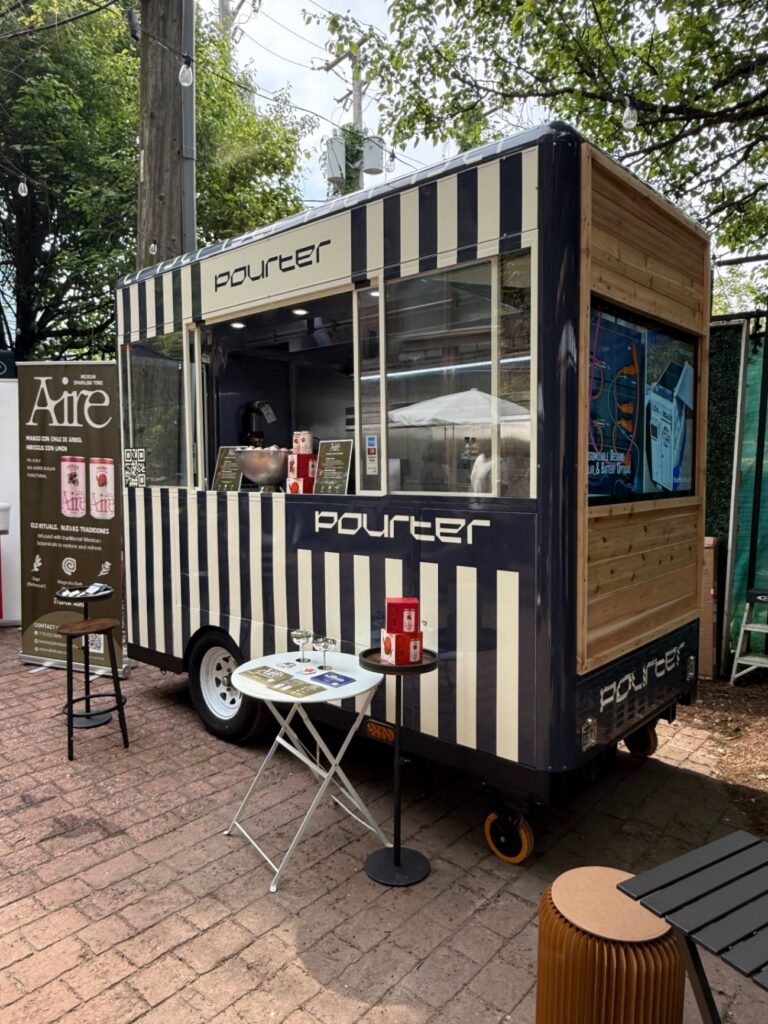
Quick Summary: What Does a Battery-Powered Food Trailer Cost in NYC?
- A professional battery-powered food trailer or cart in NYC can require $29,000–$95,000 before a tow vehicle, depending on the build, equipment, battery capacity, permits, and branding.
- A complete launch budget may reach $44,000–$130,000 or more when it includes a tow vehicle, permit-related expenses, working capital, and contingency funds, though some operators may finance or lease rather than pay the full build cost upfront.
- The largest startup costs are the custom trailer, commercial kitchen equipment, battery system, permits, branding, and initial inventory, but leasing options can make the initial cash requirement more manageable.
- Typical monthly operating costs range from $8,000–$16,000 or more, largely driven by labor, ingredients, commissary space, parking, insurance, maintenance, and charging.
- Battery power costs more upfront than a generator but can reduce fuel, maintenance, noise, and operating restrictions, and Pourter also offers leasing options for qualifying units.
- NYC vendors should confirm current requirements with the NYC Department of Health and Mental Hygiene before finalizing a design.
INTRODUCTION
A battery-powered food trailer in New York City is a high-demand mobile business platform, combining commercial foodservice capacity with the flexibility required by one of the country’s most competitive culinary markets. For established restaurants, coffee shops, bars, and fast-growing concepts, the unit can create a second sales channel without the lease obligations of another brick-and-mortar location.
The challenge is that NYC adds layers of cost beyond the trailer itself. Operators must account for permitting, health-code compliance, commissary access, insurance, storage, charging, staffing, and daily logistics. A well-planned battery-powered unit can reduce generator fuel and maintenance expenses, but it does not remove the need for a realistic operating budget.
What Are the Main Startup Costs for a Battery-Powered Food Trailer?
The following ranges are practical planning estimates for 2026. A custom manufacturer will need your menu, equipment list, service model, and operating schedule before providing a firm quote.
| Startup category | Estimated cost |
|---|---|
| Custom trailer or cart with kitchen build-out | $29,000–$70,000+ |
| Integrated lithium battery system | $8,000–$25,000 |
| NYC permits, licenses, and inspections | $700–$3,000 if obtained directly |
| Branding, wrap, menu boards, and signage | $1,000–$5,000 |
| Initial food, packaging, and smallwares | $3,000–$10,000 |
| Working capital reserve | $5,000–$15,000+ |
| Tow vehicle, if needed | $15,000–$40,000 |
A lean launch may be possible in the lower end of the range, while a more customized unit with heavier electric cooking equipment, refrigeration, water systems, and premium finishes will land higher. Pourter also offers leasing options, which can help operators spread the build cost over time instead of paying the full amount upfront.
Pourter’s custom food trailers are designed around the operating concept rather than a generic shell. That distinction matters in NYC, where every square foot must support production, storage, customer service, sanitation, or required mechanical systems.
Pourter’s Classic Vintage collection and Next Gen collection offer different design directions while allowing the interior configuration to be adapted to the brand and menu.
How Much Does the Trailer and Kitchen Build-Out Cost?
The trailer is usually the largest single investment. A basic unit may include refrigeration, sinks, counters, electrical distribution, storage, and service windows. A specialized concept may also require griddles, induction cooktops, ovens, espresso equipment, ice makers, draft systems, or high-capacity ventilation.
A professional custom build generally falls into three levels:
- Compact beverage or low-risk food unit: starting at $29,000, typically ranging from $29,000–$50,000.
- Full-service battery-powered food trailer: approximately $50,000–$70,000.
- High-capacity or multi-brand unit: $70,000 or more.
A used concession trailer or an inexpensive listing among “food trailers for sale” may appear more affordable, but the purchase price is only the starting point. Reworking plumbing, electrical systems, food-contact surfaces, equipment layouts, and branding can erase the initial savings.
When comparing food truck manufacturers, ask whether they build the electrical, plumbing, and equipment systems as one integrated design. A trailer that was not engineered for battery power may require expensive retrofits and may not have enough space or weight capacity for the necessary components.
All exterior design decisions should support the brand. Rounded corners, durable finishes, and sleek full-unit wrap graphics can make the trailer feel like a permanent extension of an established restaurant rather than a generic mobile concession unit.

What Does a Commercial Battery System Cost?
A battery-powered trailer typically uses a lithium battery bank, inverter, charger, battery management system, electrical distribution, and installation. The final price depends on how much equipment must run simultaneously and how long the unit must operate between charges.
A coffee trailer serving espresso, refrigeration, lighting, point-of-sale equipment, and blenders may need a different power profile from a hot-food unit running induction cooking, ovens, fryers, and HVAC. Electric cooking can increase battery capacity requirements significantly.
A reasonable planning range for an integrated commercial system is $8,000–$25,000 installed. This is an estimate rather than a published Pourter price, and the final number should be based on a documented load calculation.
Battery power can reduce:
- Generator fuel purchases
- Oil changes and mechanical servicing
- Noise-related complaints
- Exhaust and odor around customers
- Restrictions at hotels, campuses, indoor venues, and residential areas
Pourter explains the operational benefits in its guide to lithium battery power for food trucks and trailers and its analysis of why lithium battery power changes food-trailer operations.
Operators must still budget for charging. Confirm whether your commissary can provide the required electrical service, whether overnight charging is available, and whether an electrical upgrade or dedicated charging equipment will be necessary.
How Much Do NYC Permits and Licenses Cost?
NYC generally separates the operator’s credentials from the unit’s authorization. You may need a personal Mobile Food Vendor License, a Mobile Food Vending Unit Permit, health-related approvals, food-safety training, and other business registrations.
A practical planning range for direct fees is $700–$3,000, although the exact amount depends on the license category, inspections, filing requirements, and business structure. Review the current NYC mobile food vending license information before budgeting.
Permit access can be the largest variable. Because NYC has historically limited mobile-vending permits, some operators encounter legal lease or transfer costs that can add $15,000–$25,000 or more for a two-year term. These are not standard city fees, and availability, legality, and pricing can change. Treat any informal permit quote cautiously and obtain professional guidance before committing funds.
The design should also match the intended use. A sidewalk cart, a trailer operating on private property, and an event-based mobile unit may face different requirements. For an NYC street-vendor project, plan the unit around a 5-by-10-foot footprint, rounded corners, and no awnings or protruding parts. Confirm the final dimensions and equipment configuration with the relevant authorities before fabrication.

What Are the Monthly Costs of Operating in NYC?
Monthly expenses vary with sales volume, menu complexity, staffing, and location. A typical planning model includes:
- Commissary kitchen: $1,000–$2,500
- Parking and overnight storage: $300–$1,500
- Insurance: approximately $170–$420 per month when annualized
- Ingredients and packaging: $1,000–$5,000
- Labor: several thousand dollars per month for a small team
- Charging and energy: variable, often hundreds of dollars depending on equipment use
- Maintenance and waste disposal: approximately $300–$1,000 combined
For many operators, total monthly costs land between $8,000 and $16,000 or more once labor, ingredients, occupancy-related expenses, and insurance are included. Battery charging may cost less than generator fuel, but the savings depend on the menu and the amount of electric cooking.
Before launch, model revenue by service period rather than relying only on daily sales. A unit operating at a corporate campus, stadium, private event, or high-volume Manhattan location may have a very different cost structure from one serving a neighborhood route in Queens or Brooklyn.
Where Can a Battery-Powered Food Trailer Operate in NYC?
Battery power is especially valuable in locations where generator noise, exhaust, or fuel handling creates operational problems. Potential applications include:
- Corporate campuses and office plazas
- Hotel courtyards and luxury retail properties
- Outdoor markets and festivals
- University campuses
- Private events and brand activations
- Residential developments
- Stadium and venue parking areas
A silent battery-powered unit can also support a premium concept, such as a specialty coffee trailer, craft beverage service, mobile bar, or chef-led tasting menu. Pourter’s bar and beverage trailers are relevant for brands that need a polished service environment rather than a traditional food-truck appearance.
If you are searching for coffee trailers near me, food trailers near me, or custom food trailers near me, compare manufacturers based on more than location. Review their engineering process, health-code familiarity, warranty, charging design, and ability to produce full-unit wrap graphics.
In New York City, a builder experienced with local requirements can help reduce redesign risk. If you are looking for a custom food trailer in Austin, the permitting environment will be different from Manhattan. The same is true in Los Angeles, where local health, fire, parking, and environmental rules may alter the design and operating budget.
Is a Battery-Powered Food Trailer Worth the Investment?
For operators serving short-term events, a generator may appear less expensive initially. For businesses planning daily service, multiple locations, or premium partnerships, battery power can provide stronger long-term value.
The decision should be based on:
- Required daily operating hours
- Cooking equipment and peak electrical load
- Charging access
- Expected fuel and maintenance savings
- Noise restrictions at target locations
- Brand positioning and customer experience
- Future expansion into additional units
A battery-powered food trailer is not automatically the right choice for every menu. It is, however, a strategic option for operators who want cleaner, quieter, more flexible mobile service. Pourter’s process begins with the concept and operational requirements, allowing the power system and interior layout to be developed together.
For additional NYC planning guidance, review Pourter’s mobile food vendor permit guide and its NYC-certified mobile food cart inspection guide.
Frequently Asked Questions
How much does a battery-powered food trailer cost in NYC?
Most operators should plan for approximately $29,000–$95,000 before a tow vehicle, with complete launches reaching $44,000–$130,000 or more after permits, branding, inventory, working capital, and contingency costs. Pourter's NYC carts start at $29,000, and leasing options are available.
Is battery power cheaper than a generator?
Battery power usually costs more to install but can reduce fuel, mechanical maintenance, noise, and emissions-related operating issues. Actual savings depend on charging rates, battery capacity, and how much electric cooking the menu requires.
Do I need a commissary for an NYC food trailer?
Many NYC mobile food operations require access to an approved commissary or depot for preparation, cleaning, storage, and daily servicing. Operators should confirm current requirements with the NYC Department of Health before signing a lease.
Can I buy a food trailer near me and use it in NYC?
Not necessarily. A trailer purchased locally may not meet NYC requirements for size, plumbing, materials, electrical systems, or inspection. The unit should be reviewed for compliance before purchase.
Is a battery-powered cart different from a battery-powered trailer?
Yes. A cart may be intended for sidewalk vending and must meet specific dimensional and operational requirements. A trailer may be used on private property, at events, or in other permitted locations. The intended deployment should be established before design and fabrication.
Can Pourter build a coffee trailer or mobile bar?
Yes. Pourter designs custom mobile food and beverage units for coffee, prepared food, alcohol service, retail, and brand activation. Equipment, plumbing, refrigeration, battery capacity, and service layout are configured around the business model. Pourter also offers leasing options, giving prospective operators a path to finance or lease a unit instead of covering the full build cost upfront.
What should I ask a food trailer manufacturer?
Ask about experience with NYC compliance, battery load calculations, charging infrastructure, water and wastewater systems, equipment warranties, inspection support, delivery, maintenance, and full-unit branding. Also confirm that the quoted price includes installation and not only the trailer shell.
Conclusion
Owning a battery-powered food trailer in NYC requires more than purchasing a mobile kitchen. It requires a coordinated plan for power, permitting, commissary access, storage, insurance, staffing, and customer demand.
The strongest operators treat the trailer as a long-term business asset: a quiet, branded, commercially equipped extension of an existing restaurant or a disciplined platform for a new concept. With carts starting at $29,000 and more accessible build ranges overall, plus the option to finance or lease through Pourter instead of paying the full build cost upfront, operators can approach launch with greater flexibility. By defining the menu, confirming the NYC use category, and commissioning the battery system as part of the original build, you can control costs and avoid expensive retrofits.