
Meta description: Compare concession trailer manufacturers in 2026 with this buyer’s checklist covering materials, rounded-corner design, power systems, compliance, warranties, lead times, and questions to ask before signing.
Key Takeaways
- Compare builders by documented construction standards, not only by price or showroom appearance.
- Ask for written specifications covering the frame, shell, insulation, flooring, plumbing, electrical system, battery equipment, and installed appliances.
- Confirm that the concession trailer can be configured for your state and local health, fire, electrical, and registration requirements.
- Require a documented inspection, power-on demonstration, punch list, warranty, and delivery schedule before releasing final payment.
- Evaluate whether the builder understands your menu, service volume, branding, and long-term expansion plans.
INTRODUCTION
A concession trailer: the compact commercial platform for mobile food, beverage, retail, and brand activation businesses: can become a cornerstone revenue channel for an established restaurant or a practical first unit for a new entrepreneur. In 2026, buyers comparing concession trailer manufacturers face a broad market of standard shells, custom concession trailers, food service trailers, and fully branded mobile kitchens.
The challenge is not finding a trailer online. Search terms such as “food trailer near me,” “food trailers for sale,” and “custom food trailers near me” produce plenty of options. The challenge is determining which builder can deliver a safe, durable, serviceable unit that matches your menu and passes the inspections required where you operate.
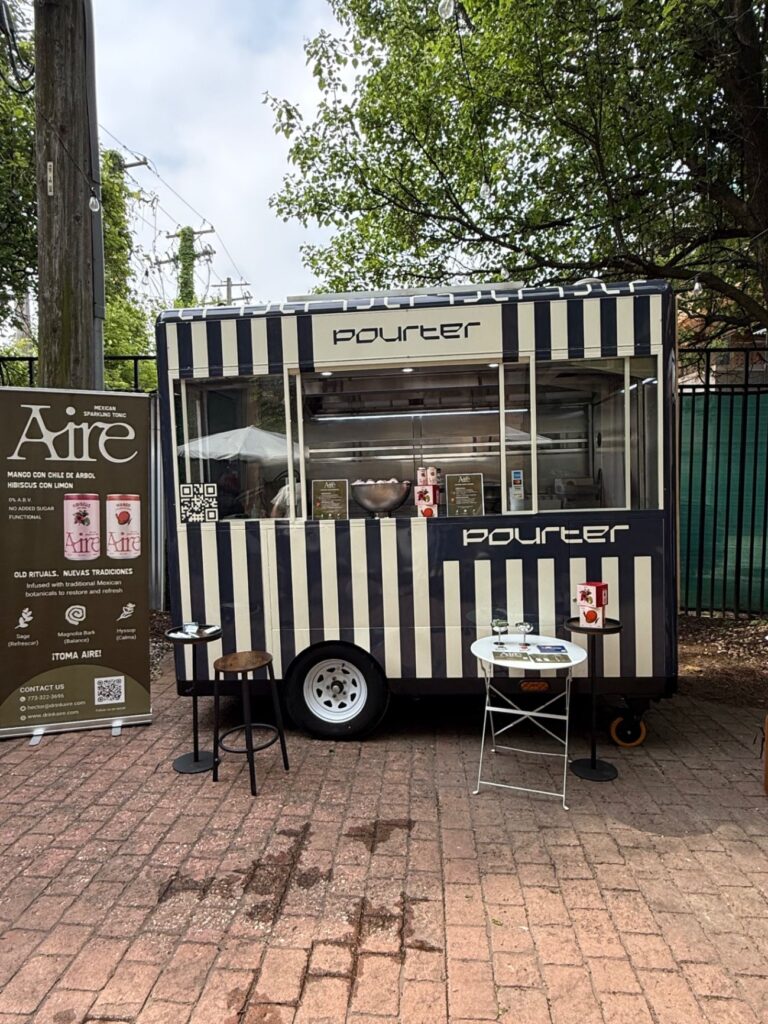
This checklist explains how to compare builders objectively, including Pourter’s approach to custom mobile food and beverage units.
How should you compare concession trailer manufacturers?
Start by comparing the builder’s process rather than the sales language. A credible manufacturer should be able to explain how it designs, engineers, builds, tests, delivers, and supports each unit.
Request:
- A written scope of work
- A detailed floor plan or CAD layout
- A materials and equipment specification
- A project schedule with milestones
- A warranty document
- A final inspection and handover process
- References, portfolio examples, or a facility tour
The best food truck manufacturers and trailer builders do not treat every project as an interchangeable box. They ask about your menu, staffing, expected sales volume, service environment, towing vehicle, storage needs, and future expansion.
Pourter’s custom trailer process follows a staged model: planning and proposal, design, construction, delivery, and training. That structure gives buyers defined decision points before fabrication is complete.
What build quality and materials should a concession trailer include?
A concession trailer should be designed for repeated commercial use, routine cleaning, transport, weather exposure, and daily service. Ask the builder to identify the materials used in every major area instead of accepting a general promise of “commercial grade.”
Review these components:
- Frame and chassis: Ask about structural reinforcement, weight distribution, corrosion resistance, axle capacity, brakes, tires, and gross vehicle weight rating.
- Exterior shell: Confirm the exterior finish is weather-resistant and compatible with your branding or full-unit wrap.
- Interior walls and counters: Stainless steel and other cleanable, durable surfaces are common choices for food service trailers.
- Flooring: Look for non-slip, water-resistant flooring with sealed transitions and easy-clean surfaces.
- Insulation and climate control: Ask how the build will perform in your operating climate and whether heat or air conditioning is needed.
- Plumbing: Confirm fresh-water, gray-water, drain, pump, and hot-water capacities. Ask how the system will be winterized and serviced.
- Equipment: Request brand names, model numbers, dimensions, power requirements, and applicable listings for refrigerators, cooking equipment, sinks, and other appliances.
Design quality also matters. Rounded corners reduce the hard, industrial appearance common to generic units and can improve cleanability and customer flow. A polished full-unit wrap should support the brand across the entire exterior rather than relying on a small logo placed on an otherwise unfinished shell.
Pourter’s Urban trailer collection includes plumbing, electrical, non-slip flooring, stainless countertops, sinks, storage, internal lighting, and a service window. The collection is positioned as a compact starting point for food, beverage, coffee, and retail concepts, with layouts and branding adjusted to the operator’s needs.

How should you evaluate electrical, generator, and battery systems?
Electrical planning should begin with the menu, not after the appliances have been selected. Create a load schedule that accounts for refrigeration, cooking equipment, water heaters, lighting, point-of-sale systems, displays, HVAC, pumps, and future additions.
Ask:
- What is the total electrical load at startup and during normal operation?
- What voltage, amperage, breakers, disconnects, and panel capacity are included?
- Is the system designed for shore power, generator power, battery power, or a hybrid arrangement?
- Are wiring diagrams, component manuals, and test results provided at delivery?
- Who is responsible for troubleshooting after delivery?
Battery-powered systems require additional questions. Request the battery capacity, inverter and charger specifications, protective devices, ventilation requirements, expected runtime, charging method, and warranty coverage. A battery system should be designed around the actual operating load, not marketed only as a sustainability feature.
Pourter highlights quiet lithium-ion battery-powered configurations in select compact units. When reviewing any battery-equipped food trailer, verify the expected runtime for your menu and confirm whether high-draw appliances require shore power or supplemental charging.
What certifications and inspection documents should you request?
A trailer that works in one jurisdiction may require changes in another. Health departments, fire authorities, electrical inspectors, transportation offices, and local licensing agencies may apply different requirements.
Before signing, provide the builder with the state and city where the unit will operate. Ask how the design will address:
- Local health department plan review
- Commercial kitchen and sanitation requirements
- Fire suppression and hood requirements
- LP gas installation and testing, if applicable
- Electrical inspection requirements
- Vehicle registration and manufacturer documentation
- Weight, tire, VIN, and certification labeling
Request documentation for applicable NSF, ETL, UL, ANSI, LP, or other certifications associated with installed components and systems. Do not assume that a manufacturer’s general statement about compliance replaces the documents your local authority may request.
The contract should state which party is responsible for drawings, revisions, inspections, corrections, and fees. It should also identify what happens if a unit requires changes before approval.
What warranty and post-delivery support should a builder provide?
A verbal promise to “take care of you” is not a warranty. Request a written document that identifies the coverage period, exclusions, claim process, response expectations, and responsibility for third-party equipment.
The warranty should distinguish between:
- Structural components such as the chassis, frame, walls, roof, and floor
- Water leaks and exterior seals
- Plumbing and electrical installation
- Battery, inverter, generator, or HVAC systems
- Appliances covered by their original equipment manufacturer
- Cosmetic finishes and wrap materials
- Labor, shipping, and local repair arrangements
Pourter’s published Urban collection includes a one-year warranty and identifies its Michigan manufacturing base. Buyers should still ask how claims are handled when a unit is operating outside Michigan and whether remote troubleshooting, replacement parts, or approved local technicians are available.
A strong handover also includes staff training, operating manuals, maintenance guidance, and a complete punch list.
How can you assess lead times and delivery promises?
Lead time should be tied to the project scope. A simple standardized unit may move faster than a fully custom trailer with commercial cooking equipment, specialty refrigeration, custom fabrication, integrated technology, or a complex battery system.
Ask for a schedule that includes:
- Deposit and design approval
- Final equipment selection
- Chassis and shell fabrication
- Plumbing and electrical rough-in
- Equipment installation
- Wrap and finish work
- Testing and inspection
- Delivery and training
Pourter’s published process estimates 12–16 weeks for its Michigan team to build and prepare a mobile food and beverage trailer. That provides a useful planning benchmark, but your actual schedule should be confirmed in writing based on equipment availability, design changes, freight, and inspection requirements.
Be cautious with unusually short promises for complex builds. The important question is not simply, “How fast can you deliver?” It is, “What work is included in that delivery date, and how will quality be verified?”
What questions should you ask before signing?
Use this checklist during every builder interview:
- Who owns the design and engineering responsibility?
- Can I review a full materials and equipment schedule?
- What parts of the build are completed in-house?
- Can I see a current build or speak with a recent customer?
- What are the trailer’s final dimensions, empty weight, and loaded weight?
- How is the electrical load calculated?
- What battery, generator, or shore-power options are available?
- Which local and state requirements are included in the design?
- What documents arrive with the trailer?
- What inspection and testing happen before final payment?
- What is covered by the warranty?
- Who handles repairs after delivery?
- What events can extend the schedule?
- What change-order fees apply after design approval?
- What happens if the unit is delivered with incomplete work?
A manufacturer that answers clearly may not be the least expensive option, but clarity reduces the risk of paying for corrections later.
What should buyers in Austin, New York City, and other markets consider?
Location affects design, permitting, operating style, and customer flow. If you are searching for a food trailer near me in Austin, consider heat management, outdoor festival use, towing access, and a menu that can support high-volume service.
In New York City, footprint, curbside maneuverability, battery planning, and local vending requirements may be more important. Pourter’s guidance on the 5×10 footprint for NYC street vending explains why a compact, rounded-corner unit without unnecessary protrusions can support dense urban operations.
Operators in Grand Rapids, Chicago, Atlanta, or other markets should also evaluate winterization, seasonal storage, local inspection procedures, and the distance to service providers. The right builder should help translate your location into practical specifications.
For more planning context, review Pourter’s guide to starting a mobile food business with a custom trailer.
Which Pourter unit may fit your concept?
Pourter offers several starting points depending on the business model:
- The Urban collection suits compact food, coffee, retail, and beverage concepts.
- The Classic and Vintage collection adds a distinctive exterior identity with modern utility and customizable layouts.
- Bar and beverage trailers are designed for mobile bar service, draft systems, beverage programs, events, and hospitality expansion.
A coffee shop may need a specialized coffee trailer with efficient water, refrigeration, espresso, and customer-flow planning. A brewery, distillery, or restaurant group may need a mobile bar or branded service unit. A growing chain may prioritize repeatable layouts, fleet consistency, and full-unit graphics across multiple locations.
The best decision comes from comparing the complete offer: materials, systems, compliance support, warranty, service, schedule, and design fit. Whether you begin with a search for “food trailer near me” or evaluate nationwide builders, use the same written checklist before you sign.
Frequently Asked Questions
What is the difference between a concession trailer and a food truck?
A concession trailer is a towable mobile commercial unit, while a food truck combines the kitchen and vehicle into one motorized platform. Trailers can offer flexible layouts, lower vehicle complexity, and easier replacement or relocation of the tow vehicle.
How much does a custom concession trailer cost?
The price depends on size, shell construction, equipment, power systems, plumbing, branding, technology, and inspection requirements. Request a line-item proposal rather than comparing only advertised starting prices.
Can a concession trailer be built for coffee or beverage service?
Yes. A trailer can be designed as a coffee trailer, mobile bar, draft unit, dessert station, retail kiosk, or full food-service kitchen. The layout should be based on the menu, workflow, staffing, and expected volume.
What is the most important document to receive before delivery?
The most important documents are the final build specification, applicable certification and registration paperwork, warranty, equipment manuals, inspection records, and a signed punch-list completion record.