
Key Takeaways
- Get requirements from the health department and other local authorities before approving a layout or paying a deposit.
- Compare builders using the same written specifications, equipment list, plans, and delivery expectations.
- Verify references, insurance, warranty coverage, lead times, change-order terms, and post-delivery support.
- Choose a trailer, truck, or container build based on how and where you will operate, not just its initial price.
- Inspect the finished unit against the approved drawings and contract before accepting delivery.
INTRODUCTION
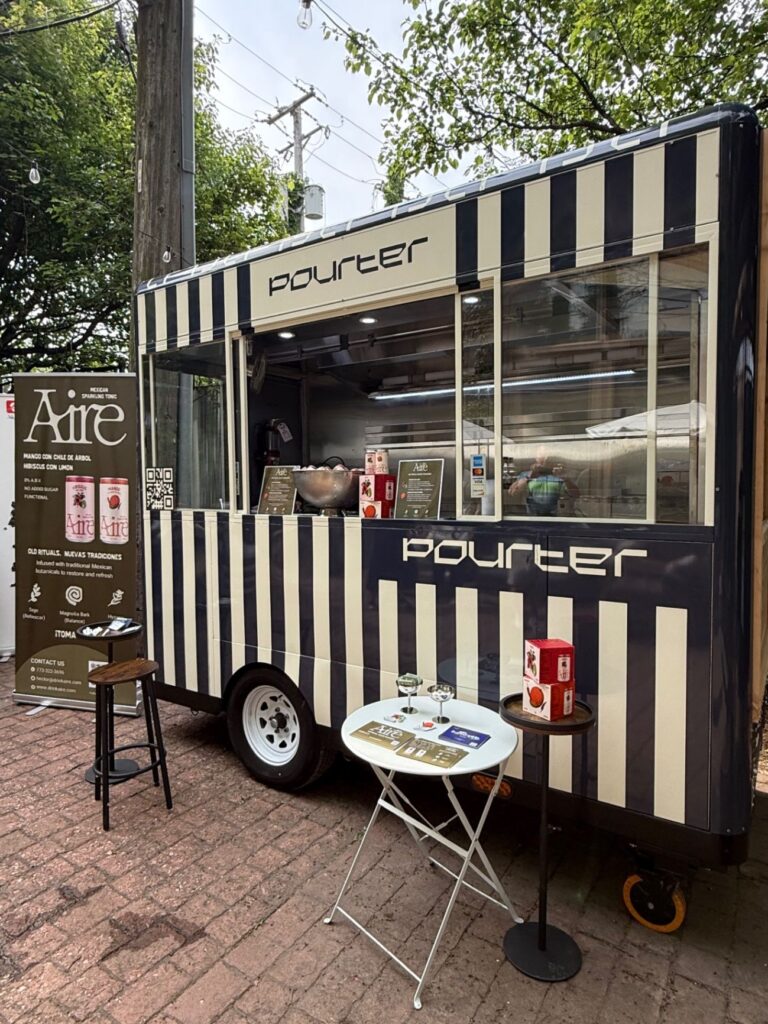
Pourter, a custom mobile food and beverage unit builder for established businesses and entrepreneurs, works with operators looking to take an existing concept beyond a permanent location. For brick-and-mortar restaurants, coffee shops, bars, and fast-growing chains, a mobile unit can become a new sales channel, event presence, or brand activation. But choosing concession trailer manufacturers is not simply a matter of comparing photos and quotes. The build must suit your menu, comply with the authorities where you plan to operate, and be supported by a clear contract before you put down a deposit.
If you are searching for “custom food trailers near me” or “food trailer near me,” proximity can help with visits and service. It should not replace careful vetting. A builder’s process and willingness to document the details matter as much as distance.
What should I verify before choosing concession trailer manufacturers?
Start with a practical brief. List your menu, expected service volume, locations, operating schedule, equipment, power needs, tow vehicle, and staff workflow. Share the same brief with every builder so that proposals can be compared on scope rather than presentation.
Ask each prospective builder for:
- A step-by-step build process, with decision points and approvals.
- Engineering and shop drawings that show the layout, equipment, clearances, and connections.
- Electrical and plumbing plans, including equipment loads, sinks, tanks, and water-heating requirements.
- An itemized scope that identifies what is included and excluded.
- An estimated lead time, how it is calculated, and what could change the schedule.
- Deposit and milestone payment terms, cancellation provisions, and a written change-order policy.
- The warranty document and details about service after delivery.
- References from owners of comparable, recently completed builds.
- Proof of relevant insurance and clarity about subcontractors and liability.
Do not treat a rendering or a general quote as a final specification. Ask who prepares and revises drawings, who pays for plan changes, and what happens if an authority asks for a different layout. Attach the approved drawings, equipment models, finishes, and promised features to the contract.
What should the health department and local reviewers confirm?
Contact the local health department before finalizing your design. Ask for its plan-review requirements and confirm which other authorities may review the unit, such as fire, building, electrical, plumbing, zoning, or vehicle officials. Requirements can vary by jurisdiction and by menu.
Ask specifically about required sinks, hot water, fresh- and wastewater capacity, food storage, ventilation, fire suppression, commissary arrangements, and equipment certification. Confirm whether reviewers want equipment make and model numbers, a scaled floor plan, a menu, or other documents. Where NSF or another equipment listing is required, clarify which certifications the local reviewer accepts.
A builder can help prepare a compliant design, but do not rely on a broad claim that a unit is “approved everywhere.” Get requirements from the authorities that will inspect your unit and operating locations. Pourter’s guide to building a custom food trailer offers additional planning considerations.

How do I compare a trailer, truck, and container cafe?
A concession trailer is a towable service unit that can be parked at events, private sites, or approved vending locations. The tow vehicle remains separate, which can suit a brick-and-mortar business that wants a mobile kitchen without buying and maintaining a dedicated motor vehicle. The tradeoffs include towing capacity, storage, setup, parking, and trailer-specific registration or permits.
A custom food trailer is a trailer designed around a particular menu and operation. A coffee trailer, for example, may prioritize espresso workflow, refrigeration, water capacity, and a quick service window. A mobile bar may need different equipment, storage, and plumbing. In either case, request a layout that reflects actual service rather than choosing equipment first and hoping it fits.
A custom food truck combines the kitchen and vehicle in one motorized unit. It can be a better fit for frequent route changes or operations that need to move throughout a service day. The business also depends on the vehicle being roadworthy, so automotive maintenance and kitchen support both matter. When comparing food truck manufacturers, ask who handles the vehicle, how mechanical service works, and what happens to the kitchen if the truck is out of use.
A shipping container cafe is generally suited to a fixed or semi-permanent site with suitable access, placement approval, utilities, and a long-term operating plan. It is not automatically a road-ready mobile food unit. If your brand requires a unit with rounded corners and a sleek, full exterior wrap, confirm that the proposed container design can accommodate those features while meeting structural and site requirements.
For many established restaurants expanding into events or rotating sites, a trailer is the smarter build when they already have a tow vehicle or can arrange towing, want to separate the kitchen from the vehicle, and do not need to drive between stops during service. Explore Pourter’s custom food trailers, Urban trailers, Classic and Vintage units, and bar and beverage trailers to compare different mobile formats.

What deposit and contract terms should I settle first?
Before sending money, make sure the contract states the build scope, total quoted amount, payment schedule, estimated delivery timing, and approval process. Ask whether deposits are refundable, what happens if the schedule changes, and how either party can cancel. Avoid relying on a verbal promise that is absent from the signed documents.
Milestone payments should correspond to defined work or approvals. The contract should explain what evidence confirms each milestone and what portion is due at final delivery. A written change-order process should require description of the change, its cost and schedule effect, and your approval before work proceeds.
Clarify what the builder will do if an inspection identifies an issue with its work. Ask how warranty requests are submitted, whether repairs can be arranged near your operating area, and which equipment warranties come directly from manufacturers. Get the answers in writing, not only as assurances during a sales call.
How should I check references, insurance, and delivery?
Speak directly with owners of similar units. Ask how well the final build matched the approved plans, whether the delivery timing changed, how the builder handled problems, and whether support continued after handoff. A shop visit, if practical, can help you understand the build process and see how the company documents work and quality checks.
This is the step buyers skip when they compare concession trailer manufacturers near me on price alone. A builder that answers questions with documents and a shop visit is telling you something a brochure cannot.
Confirm the builder has appropriate insurance for the work and clarify which parties are responsible for electrical, plumbing, gas, and fire-suppression work. Ask for an inspection and delivery plan, including who coordinates required inspections and what records you will receive.
At delivery, compare the unit with the final drawings and signed scope. Test the sinks, hot water, drains, pumps, appliances, refrigeration, lights, outlets, power connections, doors, locks, brakes, and exterior lights. Check the title or ownership documents, equipment manuals, warranties, system diagrams, and inspection records. Photograph defects and record any unresolved items on a written punch list with an owner and due date. Confirm how open issues affect final acceptance and payment.
What should Seattle, Denver, and Austin buyers check locally?
In Seattle, Denver, or Austin, start with the agencies responsible for the specific site and type of operation. Confirm health review, fire review where applicable, parking or vending rules, commissary requirements, and whether a unit will need separate approvals across multiple jurisdictions. Do not assume that approval in one city automatically covers another.
Denver operators can review Pourter’s Denver mobile food trailer guide for local planning context. Austin buyers can consult the Austin custom trailer guide. Use local guides as a starting point, then verify current requirements directly with the relevant authorities before committing to a build.
What are common questions buyers ask before paying a deposit?
Should I choose a nearby builder?
A nearby shop can make visits, delivery, and service easier. Still, compare its drawings, process, references, written terms, and ability to support your intended operating locations with other qualified builders.
Is a lower quote enough reason to choose a builder?
No. Compare the equipment, materials, design work, compliance support, delivery, inspection responsibilities, warranty, and exclusions. Ask each builder to quote the same scope so you can identify what accounts for a price difference.
How do I evaluate food trailers for sale?
Ask whether a standard or existing unit can meet your menu and local requirements without costly redesign. Review the plans, equipment details, condition, title or ownership records, and inspection history before committing. A ready-to-buy unit may be faster, but only if its layout and documentation work for your operation.
What is the most important step before signing?
Get your local requirements, final plans, full scope, payment terms, change-order process, and service commitments documented. If a builder will not clearly explain those items before receiving a deposit, pause and resolve the gaps first.
Choosing a mobile unit is a business decision as much as a manufacturing decision. A careful review of plans, permits, contract terms, references, and delivery procedures can help protect your investment and give your team a unit built for the way you actually serve.