
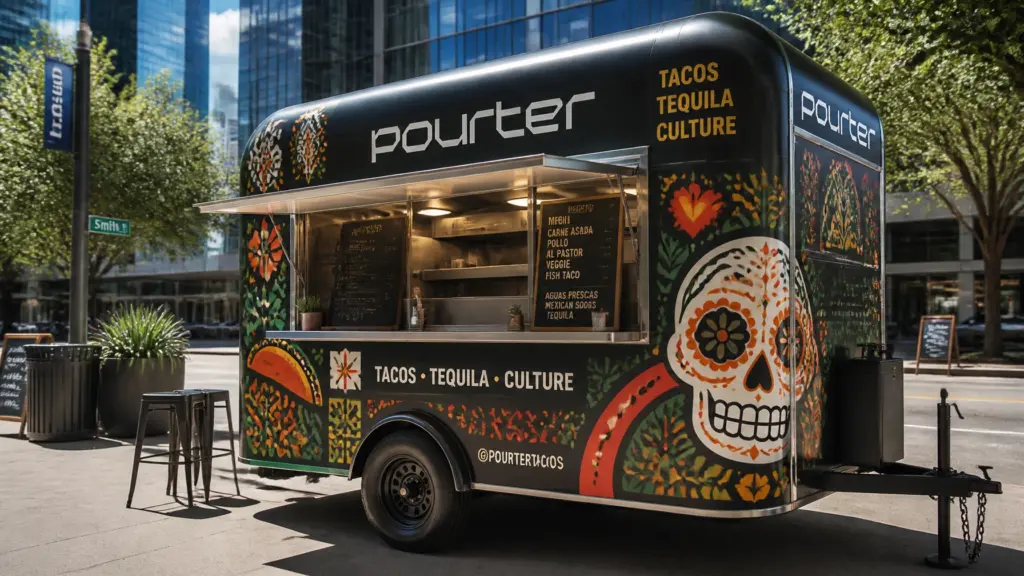
INTRODUCTION. For years, the "Commissary Rule" has been the single most significant barrier to entry for mobile food entrepreneurs in Houston, a city whose culinary identity is increasingly defined by its vibrant and diverse street food scene. Traditionally, local health regulations mandated that every mobile food unit return to a licensed central preparation facility, or commissary, every single day for cleaning, waste disposal, and water refilling. This requirement added thousands of dollars in monthly overhead and hours of logistical headaches to every operator's schedule. However, with the implementation of Texas HB 2844, the landscape is undergoing a monumental shift toward self-containment.
The traditional model of food truck operation was built on the assumption that a vehicle could not possibly be as sanitary or capable as a brick-and-mortar kitchen. But as engineering has advanced, so too has the legislation. Today, the conversation is no longer about whether you can run a food trailer in Houston without a commissary, but rather how you build a unit that meets the high technical standards of the new state law. At Pourter, we’ve seen this transition firsthand, and we’ve spent years refining our 5×10 and larger custom units to ensure they aren't just mobile kitchens, but fully independent culinary powerhouses.
Understanding the Game-Changer: Texas HB 2844
The passage of Texas HB 2844 (and its subsequent updates) effectively rewrote the rules for mobile food vendors across the Lone Star State. This legislation was designed to streamline the patchwork of local health department rules that made it difficult for mobile businesses to operate across different city lines.
One of the most critical provisions of the law states that a local authority: including the Houston Health Department: may not require a mobile food vendor to associate with a commissary if the vehicle itself carries the equipment necessary to comply with state food-safety laws. This "equipment-first" approach means that if your trailer is engineered to handle its own prep, cleaning, and waste management, the city can no longer force you to pay for a commissary membership you don't actually need.

The Technical Requirements for Independence
Qualifying for a commissary exemption isn't as simple as just buying a trailer and saying you’re independent. To bypass the commissary, your unit must be classified as "fully self-contained" under the Texas Food Establishment Rules (TFER). This requires a specific set of technical specifications that go beyond what you’ll find in a standard, off-the-lot trailer.
1. The On-Board Water Formula
Water management is the cornerstone of self-sufficiency. In Houston, health inspectors look specifically at your capacity to provide potable water and store liquid waste.
- Potable Water: You must have a permanently installed, food-grade fresh water tank with enough capacity to handle all handwashing, dishwashing, and food preparation for your entire shift.
- The 15% Greywater Rule: This is where many DIY or budget builds fail. Texas regulations generally require that your wastewater (greywater) tank be at least 15% larger than your fresh water tank. This ensures that even with a full fresh water supply, you will never overflow your waste tank before you have a chance to dump it at an approved facility.
2. Warewashing and Sanitization
To operate without a commissary, you must be able to clean your equipment on-site. This means a standard three-compartment sink is non-negotiable. This sink must be large enough to submerge your largest piece of equipment or utensil used in the trailer.
- Hot Water on Demand: Your unit must have a water heater capable of producing tempered water (usually at least 100°F–110°F) for both the three-compartment sink and the mandatory separate handwashing station.

3. Food Preparation Standards
If you plan to do any chopping, marinating, or cooking from scratch on the trailer, your unit must meet the same surface and ventilation standards as a commercial kitchen. This includes non-porous, easily cleanable walls and ceilings, professional-grade refrigeration that can hold temperatures below 41°F in the Texas heat, and NSF-certified equipment throughout.
Why Pourter Units are Engineered for Houston
At Pourter, we don’t just build trailers; we build compliant business solutions. Our custom food trailers are designed with the specific rigors of the Houston market in mind. We know that a 100-degree August day in a business district requires more than just "standard" refrigeration.
The 5×10 Powerhouse
Our 5×10 units are particularly popular for entrepreneurs looking for that sweet spot between mobility and independence. Despite the compact footprint, we engineer these units with:
- Oversized Tank Systems: We maximize the chassis space to include water systems that often exceed the minimum requirements, giving you more "up-time" on the street and less time worrying about refills.
- Rounded Corner Design: Beyond the aesthetic appeal, our signature rounded corners allow for better weight distribution and structural integrity, ensuring that your heavy water tanks don't stress the frame over time.
- Integrated Power Management: Running high-draw water heaters, pumps, and refrigeration requires sophisticated electrical planning. We build our systems to handle the load without the constant threat of a tripped breaker.

The Financial Impact: Is It Worth It?
The initial investment in a fully self-contained unit is higher than a basic shell, but the long-term ROI in the Houston market is undeniable.
- Elimination of Monthly Fees: Commissary fees in Houston can range from $500 to over $1,500 per month. A self-contained Pourter unit pays for itself in overhead savings alone within the first year or two.
- Operational Flexibility: Without the need to "check in" at a central hub every day, you gain hours of productivity. You can move from a lunch spot in the Energy Corridor directly to an evening event in Montrose without a pit stop across town.
- Resale Value: A fully compliant, commissary-exempt unit is a hot commodity in the resale market. Businesses looking to scale quickly will always pay a premium for a unit that is ready to pass inspection on day one.
Navigating the Houston Health Department
Even with HB 2844 in your corner, the permitting process in Houston requires precision. When you submit your plans to the Houston Health Department, you need to provide detailed schematics of your plumbing, electrical, and equipment layouts.
This is where working with an experienced manufacturer like Pourter becomes invaluable. We provide the professional documentation and engineering specs that local inspectors need to see to grant that coveted "self-contained" status. We ensure that every weld, every pipe, and every tank meets the "equipment necessary to comply with state law" standard.

Conclusion: The Future of Houston Street Food
The era of the mandatory commissary is coming to an end for those willing to invest in high-quality engineering. By leveraging the protections of HB 2844 and the advanced design of a Pourter mobile unit, Houston’s culinary entrepreneurs can finally reclaim their time and their profits.
Whether you are an established brick-and-mortar looking to expand into a mobile "satellite" kitchen or an entrepreneur launching your first taco concept, the path to independence starts with the right build. Don't settle for a trailer that ties you to a commissary; choose a unit that sets you free to serve anywhere the city takes you.
Ready to start your build? Check out our latest projects to see how we’re helping Houston businesses go mobile.