
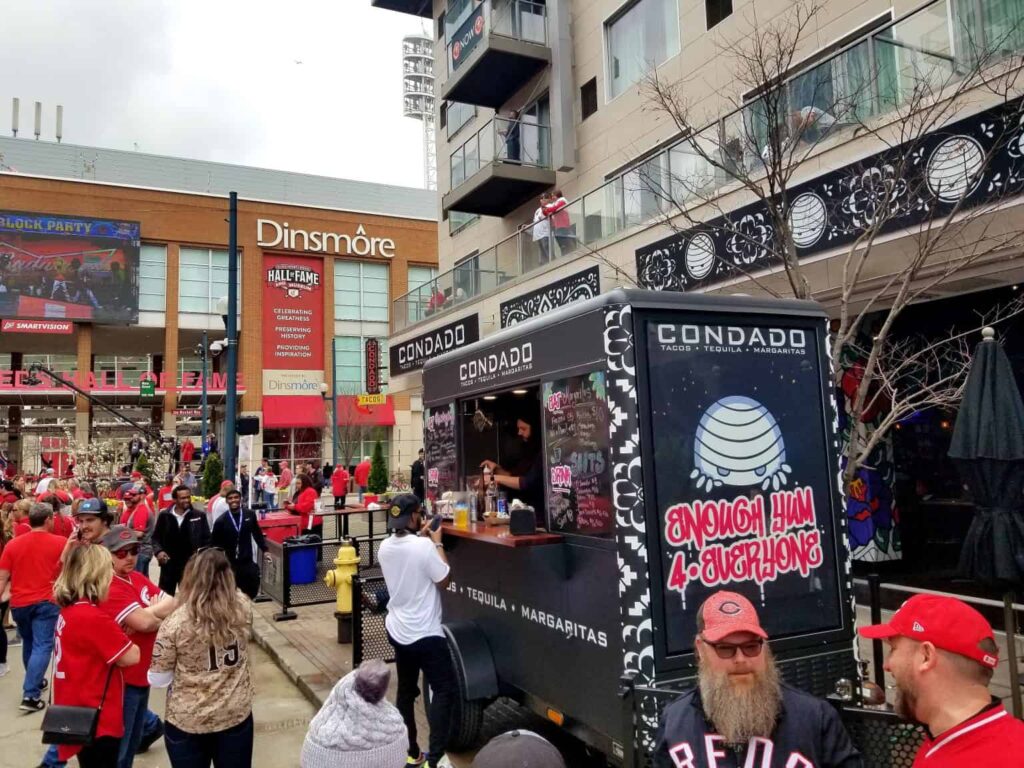
INTRODUCTION. Condado Tacos, a fast-growing restaurant chain known for its vibrant street art aesthetic and customizable menu, serves as a prime example of how modern hospitality brands are redefining the boundaries of physical expansion. As established brick-and-mortar brands seek to capture market share in an increasingly competitive landscape, the transition from fixed real estate to mobile units has become a strategic necessity rather than a secondary consideration. The traditional model of chain expansion: reliant on long-term leases, high build-out costs, and static geographic footprints: is being supplemented, and in some cases replaced, by high-utility custom food trailers. This shift is driven by a fundamental need for agility, enabling brands to test new markets and service high-traffic events with a fraction of the capital expenditure required for a new storefront.
The Strategic Shift to Mobile Footprints
For many entrepreneurs and multi-unit operators, the primary hurdle to growth is the sheer volume of capital tied up in traditional construction. A new brick-and-mortar location often requires months, if not years, of permitting and build-out time. In contrast, custom mobile units provide a "plug-and-play" solution that allows a brand to launch in a new territory in a matter of weeks.
The strategy is simple: go where the customers are. Whether it is a corporate campus, a music festival, or a weekend market, custom concession trailers allow a brand to maintain a physical presence without the liability of a thirty-year lease. This flexibility is not just about convenience; it is a calculated move to maximize return on investment (ROI) by minimizing the time-to-market.
The ROI Argument: Custom vs. Used
One of the most frequent questions from growing chains is whether to purchase a used unit or invest in a custom build. While the lower upfront cost of a used trailer can be tempting, the long-term financial reality often tells a different story.

1. Brand Consistency as a Revenue Driver
For a chain like Kirby House or Condado Tacos, the brand is the asset. A used trailer is often a patchwork of previous owners' decisions: mismatched equipment, inefficient windows, and structural compromises. A custom build from Pourter ensures that every inch of the unit reflects the parent brand’s standards. This consistency acts as a mobile billboard, driving awareness for existing brick-and-mortar locations while maintaining the premium feel that customers expect.
2. Speed-of-Service and Throughput
In the world of mobile food and beverage, throughput is the ultimate metric. A custom layout is designed around a specific menu, ensuring that the "work triangle" is optimized for the staff. When a trailer is built to handle the exact volume of a busy lunch rush, the speed-of-service increases, leading to higher transaction counts and a faster payback period. Used units, conversely, often force staff to work around a layout designed for a completely different concept, creating bottlenecks that eat away at daily profits.
3. Reliability and Compliance
Chains cannot afford downtime. A used unit with aging electrical systems or out-of-code plumbing can result in failed health inspections and lost revenue. By choosing a custom unit, brands benefit from new equipment warranties and builds that meet the most stringent local regulations from day one.
Integrated Technology: The Nervous System of the Unit
Modern chain expansion requires more than just a kitchen on wheels; it requires a data-driven operation. One of the greatest advantages of a custom build is the ability to integrate sophisticated Point of Sale (POS) and inventory management systems directly into the unit’s infrastructure.

For a multi-unit operator, the mobile unit must communicate seamlessly with the rest of the organization. Custom builds allow for:
- Integrated Tech Hubs: Dedicated space for routers, tablets, and digital menu boards that mirror the in-store experience.
- Real-Time Data: Tracking sales and inventory across mobile and fixed locations from a single dashboard.
- Self-Pour Integration: For beverage-focused brands, units like draft self-pour trailers offer a tech-forward way to manage labor costs while providing a unique customer experience.
Geographic Flexibility and Market Testing
Before committing to a seven-figure build-out in a new city, smart chains are using custom trailers as "scout units." These 5×10 or larger units allow operators to gauge local demand, test menu variations, and identify the most profitable neighborhoods without the risk of a permanent lease.

The compact footprint of a 5×10 unit, like those seen in high-density areas, is particularly effective for urban expansion. These units can navigate narrow streets and fit into small urban plazas where a full-sized truck or a permanent building would be impossible. This "micro-location" strategy allows a brand to saturate a market with multiple small touchpoints rather than one large, expensive one.
Diversifying Revenue Streams: Mobile Bars and Beyond
Expansion isn't limited to food. Many brick-and-mortar bars and distilleries are finding immense value in mobile bar units. Brands like Long Road Distillers have utilized custom units to bring their craft cocktail experience to off-site weddings, festivals, and corporate events.
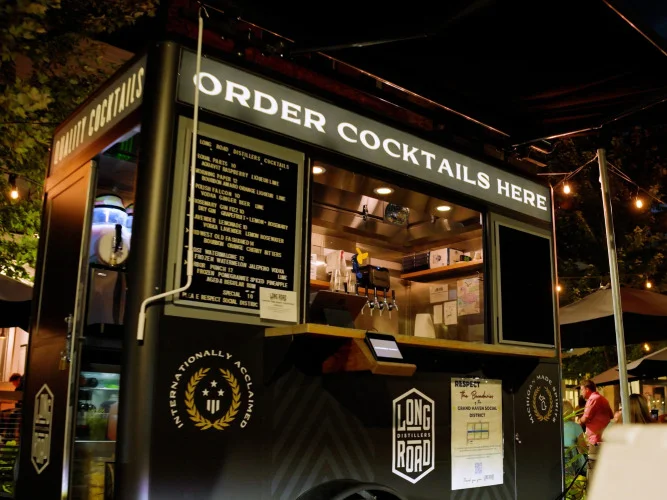
A mobile bar serves as a high-margin extension of the brand. Because the overhead is significantly lower than a traditional bar: fewer staff members and lower utility costs: the profit per drink is often higher. For a distillery or brewery, this is a strategic way to bypass the limitations of their physical tasting room and reach a wider demographic.
Scaling with a Partnered Process
The journey from a single restaurant to a mobile fleet requires a partner who understands the nuances of manufacturing and brand standards. At Pourter, our process is designed to take the complexity out of custom builds. We work closely with chain operators to ensure that every unit produced is a carbon copy of the brand’s excellence, allowing for a standardized training and operational model across the entire fleet.
By investing in custom trailers, brick-and-mortar brands are not just buying a vehicle; they are investing in a scalable, high-ROI asset that protects their brand equity and provides the ultimate flexibility in a changing market.
For chains looking to lead the next wave of hospitality innovation, the choice is clear: don't just expand( expand smarter.)