
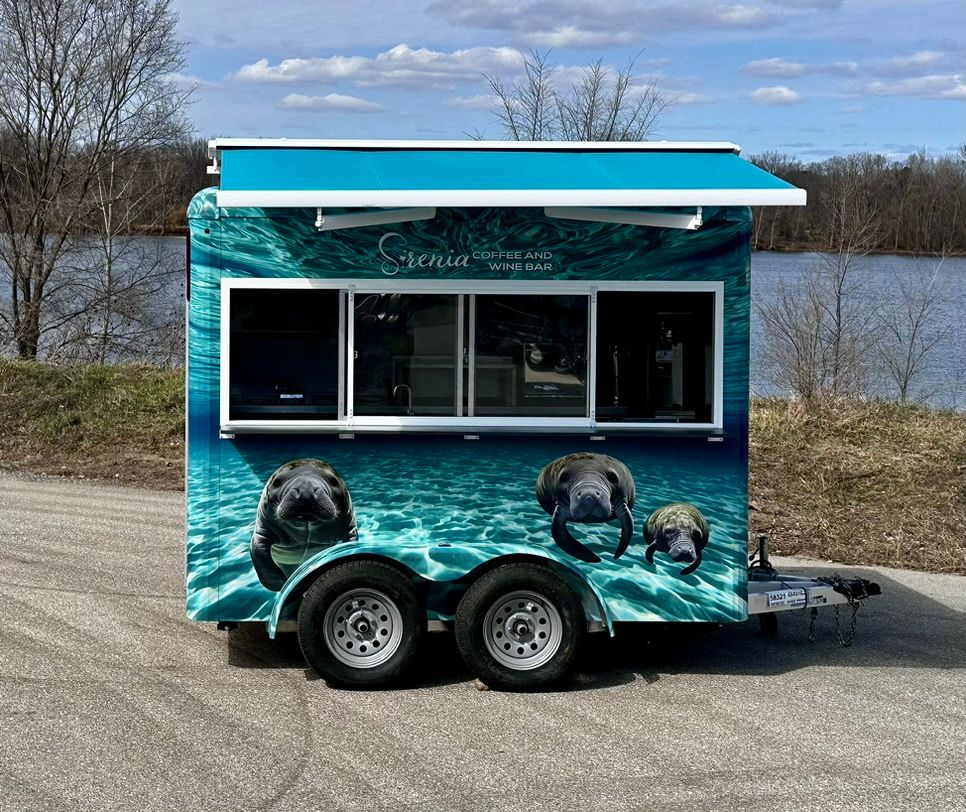
Meta description: Compare leasing and buying custom food trailers in 2026, including costs, cash-flow math, tax treatment, depreciation, and how to choose the right custom food trailer for your business.
Key Takeaways
- Leasing lowers the upfront barrier and preserves cash for permits, inventory, staffing, and marketing.
- Buying usually costs less over the full life of a trailer and creates an asset your business can keep, sell, or repurpose.
- An illustrative $60,000 trailer may require approximately $12,000 down when financed, while leasing may require only an initial payment and deposit.
- Lease payments are generally treated as operating expenses, while purchased equipment may qualify for depreciation, Section 179, or other accelerated deductions.
- Leasing often suits first-time operators testing a concept. Buying or finance-to-own usually fits established businesses planning to operate for five years or longer.
- Compare the full agreement: not only the monthly payment: including maintenance, insurance, buyout terms, delivery, upgrades, and end-of-term obligations.
INTRODUCTION
A custom food trailer is a cornerstone mobile business asset and a fast-growing alternative to opening a second brick-and-mortar location. It can extend a restaurant’s reach, create a festival revenue channel, support a coffee concept, or operate as a branded mobile bar at private events.
For first-time operators, however, the purchase price can feel like the largest barrier to entry. A fully equipped unit may require tens of thousands of dollars before the first customer is served. Leasing changes that initial calculation by converting much of the upfront cost into a predictable monthly obligation.
The right decision depends on more than price. Your expected operating life, available cash, tax position, menu, equipment requirements, and plans for growth all matter. Here is how leasing and buying compare in 2026.
What does a custom food trailer cost in 2026?
Published industry estimates commonly place a serious, fully equipped trailer between approximately $35,000 and $120,000 or more, depending on size, equipment, power systems, finishes, and regulatory requirements. A simple concession trailer may sit near the lower end, while a high-capacity kitchen, coffee trailer, or mobile bar with specialized systems can require a larger investment.
Pourter’s Urban trailer collection lists an entry point of $35,000 and includes plumbing, electrical systems, stainless countertops, sinks, lighting, storage, and a service window. The Classic and Vintage collection starts at $45,000 and adds additional space and styling options.
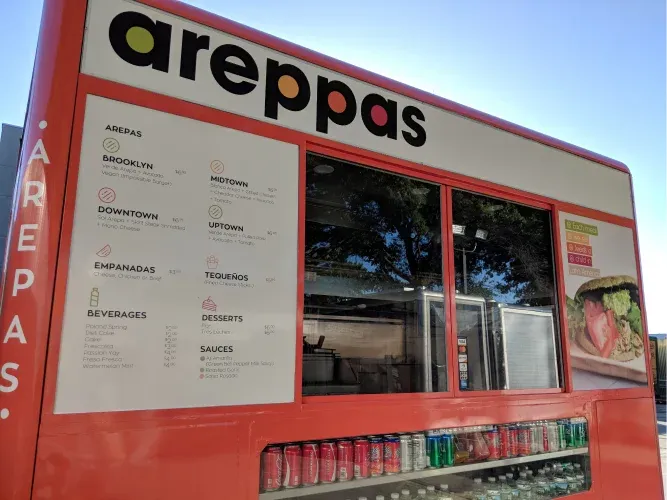
The final price may also include:
- Cooking equipment and ventilation
- Refrigeration, ice systems, or espresso equipment
- Battery, generator, or other power solutions
- Branding, wrap graphics, and menu displays
- Local code modifications
- Freight, delivery, permits, insurance, and site preparation
When comparing food trailers for sale, make sure you are comparing equivalent specifications. A low advertised price may exclude equipment, installation, compliance work, or brand finishing.
How does leasing compare with buying?
Leasing reduces the initial cash requirement. Instead of paying the full build cost, an operator may pay a deposit, first month’s payment, and other fees before putting the unit into service. Depending on the agreement, the trailer may be returned at the end of the term, purchased at fair market value, or acquired through a lease-to-own structure.
Buying requires more capital at the beginning, but the operator owns the trailer immediately with a cash purchase or builds equity through financing. Once a loan is paid off, the financing payment ends while the trailer can continue producing revenue.
| Consideration | Leasing | Buying or financing to own |
|---|---|---|
| Upfront cash | Lower; typically deposit and initial payments | Higher; cash purchase or down payment |
| Ownership | Depends on lease and buyout terms | Operator owns the asset |
| Monthly payment | Predictable, but may continue through renewal | Ends when the loan is paid |
| Long-term cost | Often higher if leased indefinitely | Usually lower over a long operating life |
| Flexibility | Easier to upgrade or change concepts | Greater control, but resale takes time |
| Tax treatment | Lease payments may be deductible | Depreciation and possible accelerated deductions |
| Best fit | Testing, preserving cash, shorter horizon | Stable concept, long-term operation, equity building |
Neither structure is automatically better. Leasing is a cash-flow tool. Buying is an ownership strategy.
What does the cash-flow math look like?
Consider an illustrative $60,000 custom food trailer. These figures are examples for comparison, not a quote or financing offer.
Buying with financing
Assume:
- Purchase price: $60,000
- Down payment: $12,000
- Amount financed: $48,000
- Five-year loan at an illustrative 9.5% annual rate
- Monthly payment: approximately $1,000
- Total loan payments: approximately $60,000
- Approximate total cash paid, including down payment: $72,000
At the end of the five-year term, the operator owns the trailer. The business has paid interest, but it also holds an operating asset that may retain resale or business value.
Leasing
Assume:
- Initial deposit and fees: $5,000
- Monthly lease payment: $2,000
- Thirty-six-month lease term
- Total scheduled lease payments: $72,000
- Approximate cash paid during the term: $77,000 before any buyout
The lease requires significantly less cash at launch, but the operator may not own the trailer after three years. If the business continues leasing or chooses to buy the unit, the total cost can rise.
This is where leasing removes the upfront price barrier. A first-time owner can direct the $55,000 saved at launch toward staff, inventory, a commissary kitchen, permits, insurance, local marketing, and working capital. The trade-off is a fixed monthly obligation and potentially higher cumulative cost.
How do taxes and depreciation differ?
Tax treatment depends on the contract structure, business entity, equipment classification, and current federal and state rules. Operators should review the agreement with a qualified tax professional before making a decision.
With a typical operating lease, the business generally records lease payments as an operating expense rather than depreciating the trailer. That can create straightforward deductions over the lease term, subject to the business’s tax situation and the rules governing the agreement.
When a business buys a trailer, the unit is generally recorded as a business asset. The owner may recover its cost through depreciation over the applicable recovery period. Qualifying equipment may also be eligible for Section 179 or other accelerated depreciation provisions, subject to annual limits, income restrictions, and current law.
Buying can therefore create a larger deduction in the first year, while leasing may spread deductions across the payment schedule. A tax deduction should not determine the decision by itself. A deduction reduces taxable income; it does not make an uneconomic trailer profitable.
When does leasing make sense for a first-time operator?
Leasing can be a practical choice when the concept is new and demand is unproven. It may be especially useful when an operator needs to:
- Test a menu, route, or event strategy
- Preserve cash for payroll and inventory
- Launch before building a long credit history
- Change equipment or layout within three to five years
- Avoid tying up capital in a single asset
- Keep monthly costs predictable during the launch period
A first-time entrepreneur searching for a food trailer near me may focus on the advertised monthly payment. That is only the beginning. Ask whether the agreement includes maintenance, repairs, insurance requirements, mileage or usage limits, delivery, customization, and a purchase option.
Pourter’s financing resources are designed around hospitality businesses and include options intended to help operators match equipment payments with business cash flow. Financing availability and approval terms vary by applicant and agreement.
When is buying the better long-term decision?
Buying is usually stronger when the trailer will remain central to the business for many years. Ownership can make sense when:
- The menu and operating model are established
- The unit will operate for five to ten years or longer
- The business can fund a down payment without exhausting reserves
- The operator wants full control over branding and modifications
- The company expects to add locations or build a fleet
- The trailer may be sold, transferred, or repurposed later
Ownership is also valuable when the build includes specialized infrastructure. A coffee trailer with commercial espresso equipment, a high-volume kitchen, or a mobile bar with draft systems may be designed around one precise workflow. Buying gives the operator greater control over future use and upgrades.
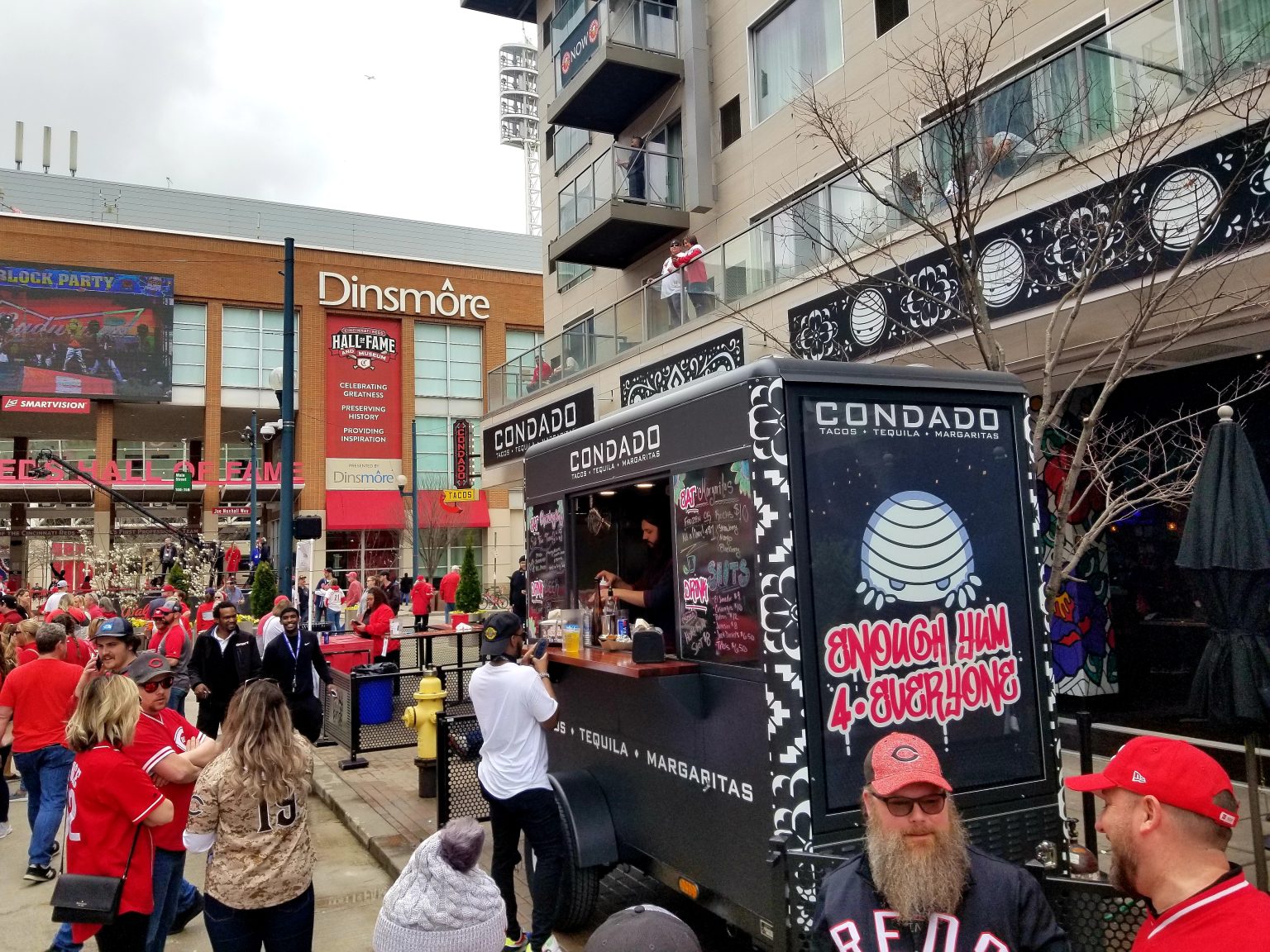
For a real-world example of how a branded mobile unit supports a larger operating strategy, review Pourter’s Condado Tacos case study.
What should operators consider in Austin, New York City, and other markets?
Local rules can influence the lease-versus-buy decision. In Austin, an operator may need to account for event schedules, parking, commissary requirements, and the equipment needed for a flexible outdoor service model. In New York City, space limitations, vending regulations, sanitation requirements, and inspection standards may have a greater effect on the build specification.
If you are searching for a food trailer near me in Austin, review the local operating requirements before choosing a layout. If you are looking for food trailers near me in New York City, confirm footprint, water, wastewater, power, and service-window requirements before signing a lease or purchase agreement.
Pourter’s guide to building an NYC-compliant mobile food unit explains why compliance needs to be addressed during design: not after fabrication. The same principle applies in Detroit, Chicago, Dallas, and other cities where health and vending rules vary by jurisdiction.
How does Pourter support the decision?
Pourter builds mobile food and beverage units for restaurants, entrepreneurs, hospitality groups, and brand activations. Its product range includes compact Urban trailers, Classic and Vintage units, specialty food builds, coffee concepts, and bar and beverage trailers.
The design process begins with the business model: menu, throughput, staffing, service position, storage, power, towing, and local compliance. That approach helps operators avoid paying for features they do not need while identifying infrastructure that may be difficult or expensive to add later.
Operators considering a coffee concept can also review Pourter’s 2026 guide to custom mobile coffee units. Those planning a mobile bar can explore the company’s guide to draft cocktail trailers.
What is the final leasing-versus-buying checklist?
Before choosing a custom food trailer, compare:
- Total cash required before opening
- Monthly payment and seasonal revenue
- Lease term, renewal, and buyout provisions
- Maintenance and repair responsibilities
- Insurance, delivery, and compliance costs
- Expected operating life
- Depreciation and available tax treatment
- Resale value and future expansion plans
- Whether the layout can support your menu at peak volume
- The amount of working capital left after the transaction
Leasing can provide the momentum needed to launch, particularly for first-time operators who cannot justify a large upfront purchase. Buying can deliver stronger long-term economics when the concept is proven and the unit will remain productive for years.
The best decision is the one that supports both sides of the business: the cash flow required to open and the ownership value created over time.