
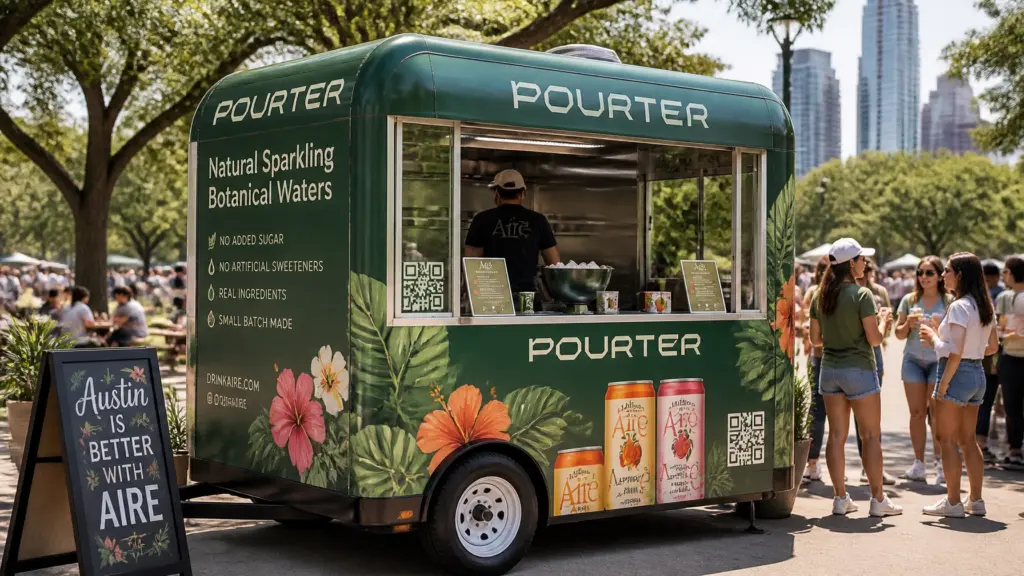
INTRODUCTION, the expansion of a successful brick-and-mortar restaurant into the mobile space is a hallmark of a fast-growing brand seeking to capture new markets. For many entrepreneurs, the jump from a stationary kitchen to a high-performance custom food trailer represents a transformative event that requires both logistical precision and a deep understanding of local regulations. As premier food truck manufacturers, we at Pourter recognize that the path to a grand opening is paved with inspections and permits. Navigating the complexities of health department approval food truck requirements can be daunting, but ensuring your mobile food unit regulations are met from the design phase is the most efficient way to maintain momentum. Whether you are searching for a food trailer near me, evaluating custom food trailers near me, seeking Austin food truck permits, or looking to launch in Dallas, health code compliance is the cornerstone of a sustainable mobile business. If you are comparing layouts and build options, Pourter’s urban food trailers and completed gallery offer a practical starting point.
Key Takeaways
- Health code approval starts with commercial-grade, NSF/ANSI-certified equipment throughout the unit.
- A compliant setup requires both a properly sized 3-compartment sink and a separate handwashing sink.
- Fresh and grey water systems must be engineered correctly, including the 15% larger waste tank rule.
- Interior materials must be smooth, non-porous, and easy to sanitize.
- Cooking equipment that produces grease-laden vapors usually requires a Type I hood and fire suppression.
- Refrigeration and hot-holding equipment must consistently maintain safe food temperatures.
- Many Texas jurisdictions require a commissary or Central Preparation Facility agreement.
- Early plan review can prevent expensive design corrections before construction is complete.
- Labeling and required signage often determine whether a final inspection goes smoothly.
- Working with an experienced builder helps streamline approvals for operators searching for custom food trailers near me.
1. NSF/ANSI Certification: The Non-Negotiable Standard
In the world of commercial kitchens, "household grade" is a term that does not exist. Every piece of equipment within your custom food trailer: from the refrigerators to the prep tables: must carry an NSF/ANSI certification. This national sanitation standard ensures that surfaces are non-toxic, easy to clean, and designed to prevent the harbor of bacteria. Inspectors in major hubs like Austin and Dallas will look specifically for the NSF mark during their initial walkthrough. At Pourter, we integrate only commercial-grade, certified equipment to ensure your unit meets these rigorous standards before it ever hits the road.
2. The 3-Compartment Sink: Essential Warewashing
The 3-compartment sink is the heartbeat of your trailer’s sanitation system. It is a mandatory requirement for the washing, rinsing, and sanitizing of all utensils and equipment. A common mistake is installing sinks that are too small; the law requires that your largest pot or pan must be able to be fully submerged in each of the three basins. This ensures that even your high-volume equipment can be properly sanitized. When designing your layout, we prioritize the placement of these sinks to balance workflow efficiency with code compliance.

3. Dedicated Handwashing: A Separate Necessity
Hand hygiene is the primary defense against foodborne illness, and health departments treat it with the utmost importance. You must have a dedicated handwashing sink that is separate from your 3-compartment sink. It should be easily accessible, visible to staff, and equipped with hot and cold running water. Most jurisdictions require water to reach a minimum temperature of 100°F to 120°F. Our units are engineered with high-efficiency water heaters to ensure you never fall short of these temperature requirements during a busy shift.
4. Potable Water Systems and the 15% Rule
Your water management system is a critical component of mobile food unit regulations. You must have a fresh (potable) water tank and a corresponding grey water (waste) tank. The golden rule here is the 15% rule: your waste tank must be at least 15% larger than your fresh water capacity. This prevents the risk of the waste tank overflowing and contaminating your unit or the street. Whether you are operating a self-pour draft trailer or a full-service kitchen, precise tank sizing is vital for passing inspection.
5. Material Matters: Non-Porous Surfaces Only
The interior surfaces of your custom food trailers must be smooth, non-absorbent, and easily cleanable. This means no exposed wood, no carpet, and no porous tiles. We utilize high-quality stainless steel, fiberglass reinforced plastic (FRP), and sealed flooring to create an environment that stands up to the rigors of heavy cleaning. These materials not only help you pass health department approval but also extend the lifespan of your mobile unit, reflecting the behind-the-scenes quality that Pourter is known for. For operators searching online for custom food trailers near me, this level of material specification is one of the clearest indicators of a serious, inspection-ready build.
6. Ventilation and Type I Hoods
If your menu involves cooking that produces grease-laden vapors: such as frying, grilling, or charbroiling: a Type I hood is mandatory. These systems are designed to remove heat, smoke, and grease from the air, maintaining a safe environment for your staff. Furthermore, these hoods must be paired with a fire suppression system (like an Ansul system) to meet fire code standards. This is particularly important for those looking at food trucks for sale that need to meet modern safety benchmarks.

7. Temperature Control: Precision Refrigeration
Mechanical refrigeration is a staple of any compliant mobile unit. You must be able to hold cold foods at 41°F or below and maintain hot-holding at 135°F or above. Health inspectors will check the calibration of your thermometers and the efficiency of your cooling units. Many modern operators are now looking toward lithium battery power to keep refrigeration units running silently and consistently without the need for loud, traditional generators.
8. The Commissary Agreement: Your Home Base
A custom food trailer cannot operate in a vacuum. Most cities, including Austin and Dallas, require a signed commissary or Central Preparation Facility (CPF) agreement. This is a licensed kitchen where you perform heavy food prep, dispose of waste, and refill your potable water. In Dallas, operators who begin with a search for a food trailer near me should understand that daily visits to your commissary are often a mandatory part of your permit. This agreement proves to the city that you have a stable, hygienic foundation for your mobile operations.
9. Plan Review Process: Submit Before You Build
One of the most effective ways to ensure success is to engage in the plan review process early. Before construction begins, you should submit detailed blueprints and equipment specification sheets to your local health department. This allows inspectors to flag potential issues while the unit is still on the drawing board. For those seeking Austin food truck permits or starting with a custom food trailers near me search in the Austin market, this step is a critical milestone that prevents costly mid-build corrections.
10. Labeling and Signage: The Final Details
Compliance often comes down to the smallest details. Every sink must be labeled according to its function ("Hand Wash Only," "Wash," "Rinse," "Sanitize"). You must also display "Employees Must Wash Hands" signage in plain view. Additionally, your fresh and waste water fill/drain points should be clearly labeled to prevent cross-contamination. These finishing touches signal to an inspector that you are a professional operator who takes health standards seriously.

Navigating the landscape of mobile food unit regulations is a significant undertaking, but it is the key to securing your brand's future on the move. By partnering with a dedicated manufacturer like Pourter, you gain an ally with the expertise to translate complex codes into a high-functioning, beautiful mobile unit. From initial design to the final health department approval food truck inspection, we ensure your transition to mobile is as seamless and successful as possible. For entrepreneurs and established operators alike, especially those beginning with searches such as food trailer near me, reviewing Pourter’s urban food trailers and gallery can help connect regulatory requirements to real-world build examples.