
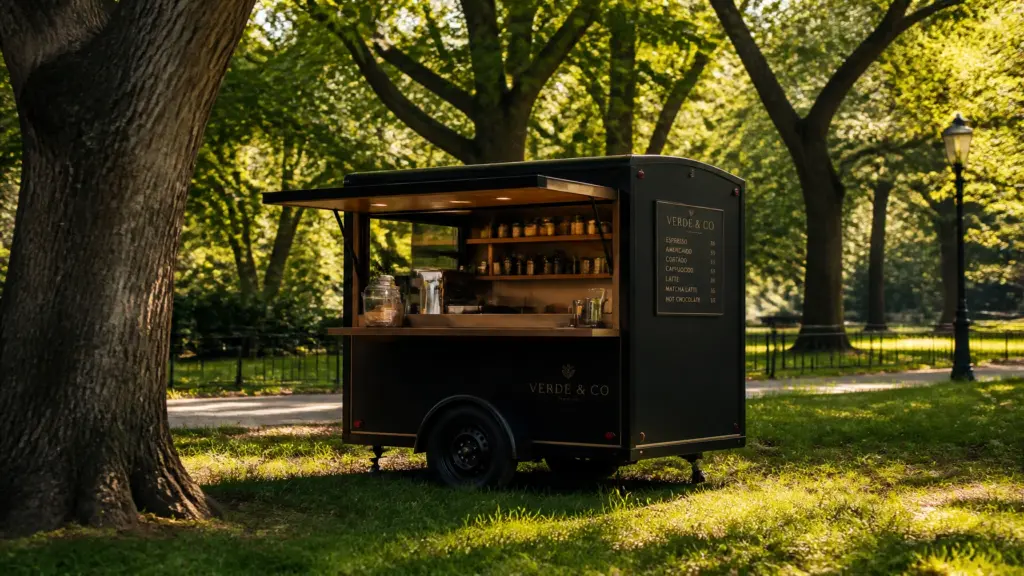
INTRODUCTION: The Brooklyn food truck ecosystem, a cornerstone of New York City’s modern culinary identity, continues to represent one of the most lucrative frontiers for mobile entrepreneurs and established brick-and-mortar brands alike. As the borough evolves from a gritty industrial hub into a global destination for high-spend young professionals and international tourists, the demand for high-quality, mobile dining experiences has reached a fever pitch. For operators entering this space, success is no longer just about the menu: it is about strategic placement within Brooklyn’s diverse micro-markets. From the waterfront vistas of DUMBO to the high-traffic corridors of Williamsburg, understanding where to park is the first step toward a profitable operation. At Pourter, we’ve seen how the right unit, tailored for these specific urban challenges, can transform a mobile business from a side hustle into a high-volume staple of the community.
The Williamsburg Powerhouse: High Volume Meets High Spend
Williamsburg remains the fast-growing heart of Brooklyn’s retail and nightlife economy. It is a neighborhood where traditional foot traffic is supplemented by a steady stream of "weekend wanderers" and local residents with significant discretionary income. For a food trailer operator, Williamsburg offers the perfect storm: a population that values trendy, fast-casual concepts and a nightlife scene that keeps the revenue flowing long after the sun goes down.
The most profitable spots often cluster around Bedford Avenue and the revitalized waterfront near Kent Avenue. These areas connect vintage boutiques, high-end galleries, and popular bars, creating a consistent flow of hungry customers. In Williamsburg, the competition is high, but so is the ceiling. A well-branded custom food trailer that captures the "Instagrammable" aesthetic of the neighborhood can easily become a destination in its own right.

DUMBO: The Tourist and Corporate Magnet
If Williamsburg is for the locals, DUMBO (Down Under the Manhattan Bridge Overpass) is the crown jewel for tourist-driven profit. The neighborhood’s waterfront parks and iconic photo spots draw millions of visitors who are often looking for high-quality, convenient food options that don't require a seated reservation.
DUMBO is also a key anchor of the Brooklyn Tech Triangle. This means that during the week, your customer base shifts from tourists to high-earning employees from tech and creative firms. Profitability here is often tied to "daytime and weekend" windows. High-margin items like specialty coffee, premium sandwiches, and artisanal desserts thrive under the bridge. However, the streets of DUMBO are notoriously narrow and strictly regulated. This is where a smaller-footprint unit becomes a tactical necessity rather than a choice.
Bushwick: The Creative Hub and Late-Night Play
While Williamsburg and DUMBO offer high-volume traditional traffic, Bushwick serves as the creative frontier for mobile units. It is an area known for its industrial roots and thriving arts community. For many entrepreneurs, Bushwick is the ideal starting point due to its lower cost of entry and a more experimental customer base.
Profitability in Bushwick is often found in the late-night shifts near popular music venues and bars. The community vibe here is strong, and operators who build a loyal local following can see steady, year-round revenue. Unlike the more seasonal tourist traffic of DUMBO, Bushwick relies on the neighborhood's pulse. Here, your unit needs to be as unique as the street art surrounding it.
The Pourter Advantage: Why Scale and Silence Matter
Navigating Brooklyn’s tight streets and residential-adjacent zones requires a specific kind of hardware. Standard, oversized food trucks often struggle with the borough’s geometry and parking regulations. This is why Pourter focuses on custom builds with smaller footprints that maximize internal efficiency without overwhelming the streetscape.
Compact Engineering for Tight Streets
In neighborhoods like Brooklyn Heights or DUMBO, every inch of curb space counts. Our design process prioritizes a "mobile-first" philosophy. By reducing the external footprint, our trailers can fit into spots that traditional trucks simply can’t reach. This agility allows you to secure the high-value locations near subway exits and popular parks that are often off-limits to larger vehicles.
Battery-Powered Operation for Quiet Integration
One of the biggest challenges for mobile vendors in Brooklyn is noise. Traditional gas generators are loud and often lead to friction with residential neighbors and local business owners. Pourter’s advanced battery-powered options solve this problem entirely.
Quiet operation is a game-changer for businesses looking to operate in residential-adjacent areas or near upscale parks. Not only does it improve the customer experience: allowing them to hear their order called and enjoy their meal in peace: but it also positions your brand as a "good neighbor." In a city like New York, being a quiet, sustainable operator can be the difference between a long-term permit and a constant stream of complaints.

Maximizing Profit: The Strategy of the Pivot
The beauty of the Brooklyn scene is its variety. On a Tuesday, you might be serving the corporate crowd in DUMBO; by Friday night, you could be parked outside a brewery in Bushwick. To maximize profit, your mobile unit must be versatile.
Many of our clients use their Pourter trailers as an extension of an existing brick-and-mortar presence, using the mobile unit to test new neighborhoods before signing a long-term lease. Others operate solely as mobile brands, using the mobility to "follow the money" across the borough.
Key Tips for Brooklyn Profitability:
- Know the Rules: NYC's Department of Health and Mental Hygiene (DOHMH) has strict siting rules. Ensure your unit is compliant with distances from fire hydrants and crosswalks.
- Focus on Branding: In a borough defined by style, your trailer is your biggest billboard. A clean, custom wrap and high-end finishes are essential.
- Leverage Technology: Use battery power to extend your hours in residential areas where generators are banned after sunset.
- Stay Mobile: Don't get stuck in a low-traffic spot. Use Brooklyn’s diverse neighborhoods to your advantage.
Conclusion: Engineering the Future of Brooklyn Dining
The Brooklyn food truck scene is no longer a niche market; it is a sophisticated industry where the most successful operators combine culinary talent with smart engineering. By choosing a unit that respects the borough’s unique constraints: whether it’s the narrow streets of DUMBO or the quiet residential pockets of Williamsburg: you set your business up for sustainable growth.
At Pourter, we specialize in building the tools that allow you to conquer these markets. From our bar and beverage trailers to our full-scale kitchens, every unit is built to be a high-performance asset in your business portfolio. Brooklyn is waiting: are you ready to roll?
