
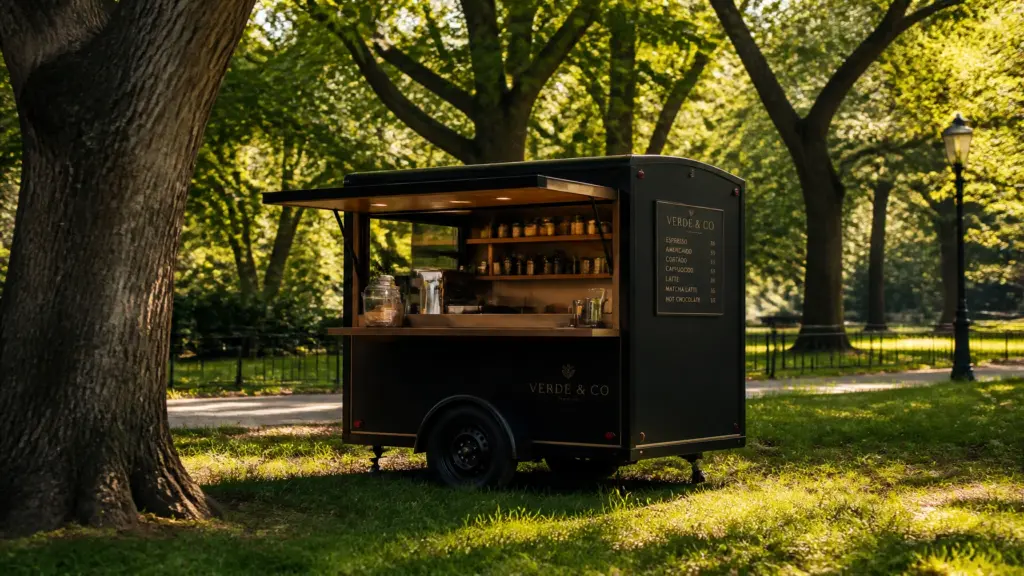
INTRODUCTION. Central Park, the 843-acre masterpiece of landscape architecture designed by Frederick Law Olmsted and Calvert Vaux, serves as the historic green lung of New York City and a global cornerstone for urban recreation. For entrepreneurs and established brick-and-mortar brands alike, securing a vending spot within its perimeter is often viewed as the pinnacle of mobile retail success. However, the path to serving cold-brew coffee or artisanal snacks under the canopy of the Ramble is significantly more complex than standard street vending. It requires navigating a rigorous regulatory landscape that prioritizes aesthetic harmony, environmental sustainability, and high-volume efficiency.
For those looking to expand their footprint into this iconic territory, understanding the distinction between a standard street cart and a custom-built mobile unit is the first step toward a successful bid. In Central Park, the environment is as protected as the brand it hosts, making the quality of your build just as important as the quality of your menu.
The Regulatory Framework: Not Your Average Street Vending
Vending in Central Park is not governed by the same rules as the hot dog carts found on the corner of 5th Avenue and 57th Street. Because Central Park is parkland, it falls under the jurisdiction of NYC Parks, which treats every vending location as a "concession."
A concession is a business allowed to operate on parkland under a specific license or permit. These spots are highly coveted and are typically awarded through a competitive Request for Proposals (RFP) process. Unlike general street vending licenses, which can have years-long waiting lists, the RFP process allows for new entrants to compete based on the merit of their business plan, their experience, and: crucially: their equipment design.
To operate legally, a vendor must manage two parallel tracks:
- The NYC Parks Concession License: This grants you the right to be in a specific location within the park.
- The DOHMH Restricted Area Permit: Once you have a Parks contract, the NYC Department of Health and Mental Hygiene (DOHMH) issues a permit specifically for the unit to operate in that "restricted area."

Aesthetic Requirements: Fitting into the Landscape
Central Park is a National Historic Landmark. Consequently, the Central Park Conservancy and NYC Parks maintain incredibly strict standards regarding the visual impact of mobile units. They are not looking for bright, neon-wrapped trailers or units that look like they belong at a highway rest stop.
Instead, the demand is for "aesthetic integration." This means:
- Muted, Professional Color Palettes: Think deep forest greens, matte blacks, or natural wood finishes that complement the surrounding environment.
- High-End Materials: Stainless steel, reclaimed wood, and custom metalwork are preferred over plastic or cheap composites.
- Minimal Signage: Branding must be sophisticated and non-intrusive. Large, illuminated billboards are generally prohibited.
At Pourter, we specialize in the custom manufacturing required to meet these high-profile standards. A cookie-cutter trailer will likely be rejected during the RFP review stage. A custom-built unit, designed specifically to match the architectural integrity of NYC’s flagship park, gives operators a distinct competitive advantage.
The Silent Revolution: Battery-Powered Units
Perhaps the most significant shift in park vending regulations is the move away from fossil-fuel-powered generators. In an effort to reduce noise pollution and carbon emissions, NYC Parks and the Conservancy have a strong preference for silent, eco-friendly operations.
Traditional generators are loud, emit fumes, and disrupt the serene atmosphere that visitors seek in the park. This is where battery-powered trailers become a game-changer. By utilizing high-capacity lithium battery systems, a mobile unit can run high-draw equipment: like espresso machines, refrigeration, and self-pour draft systems: for a full day without ever turning on a motor.

The benefits of silent power include:
- Operational Longevity: Modern battery systems can handle the heavy electrical load of a busy NYC shift.
- Vendor Approval: Proposals that feature green energy solutions are viewed much more favorably by the Parks Department.
- Customer Experience: Serving customers in silence, without the smell of diesel, creates a premium "café" feel that matches the Central Park brand.
Why Custom Manufacturing Matters for High-Profile Spots
When you are bidding on a spot that can cost upwards of $100,000 in annual licensing fees, your equipment cannot be the weak link. The high volume of Central Park: with over 42 million visitors annually: requires a unit that is built for durability and speed.
Pourter handles the heavy lifting of research and development to ensure every unit is not only beautiful but also compliant with the stringent NYC Health Code. This includes:
- Precision Engineering: Every square inch of a mobile unit must be optimized for workflow.
- Health Code Compliance: Proper handwashing stations, waste-water management, and NSF-certified surfaces are non-negotiable.
- Mobility: Despite their robust builds, these units must be maneuverable enough to be placed in tight park locations and removed daily as per city regulations.

Steps to Launching Your Central Park Unit
- Monitor the RFPs: Keep a close eye on the NYC Parks Concessions page. Central Park opportunities arise periodically for different "zones."
- Develop Your Concept: Focus on a high-value niche. Whether it's high-end coffee, healthy grab-and-go options, or artisanal beverages, your menu must appeal to both locals and tourists.
- Partner with a Manufacturer Early: Don't wait until you win the bid to think about your cart. Having detailed renderings and technical specs from Pourter included in your proposal shows the Parks Department that you are ready to execute at a high level.
- Secure Your Health Permits: Work with the DOHMH to ensure your unit passes the pre-permit inspection. Pourter’s builds are designed with these inspections in mind, reducing the friction of getting your permit approved.
The Bottom Line
Vending in Central Park is a fast-growing opportunity for brands that are willing to invest in quality. It is a prestigious market that rewards professionalism, aesthetics, and sustainability. By moving away from the "food truck" mentality and toward a custom-built, battery-powered trailer, you position your business as a staple of the park's community rather than a temporary visitor.
At Pourter, we take pride in helping entrepreneurs bridge the gap between a vision and a physical, high-performing reality. Our portfolio includes units that have transformed how businesses operate in high-traffic, high-scrutiny environments. If you’re ready to take your brand into the most famous park in the world, we’re ready to build the unit that gets you there.