
INTRODUCTION
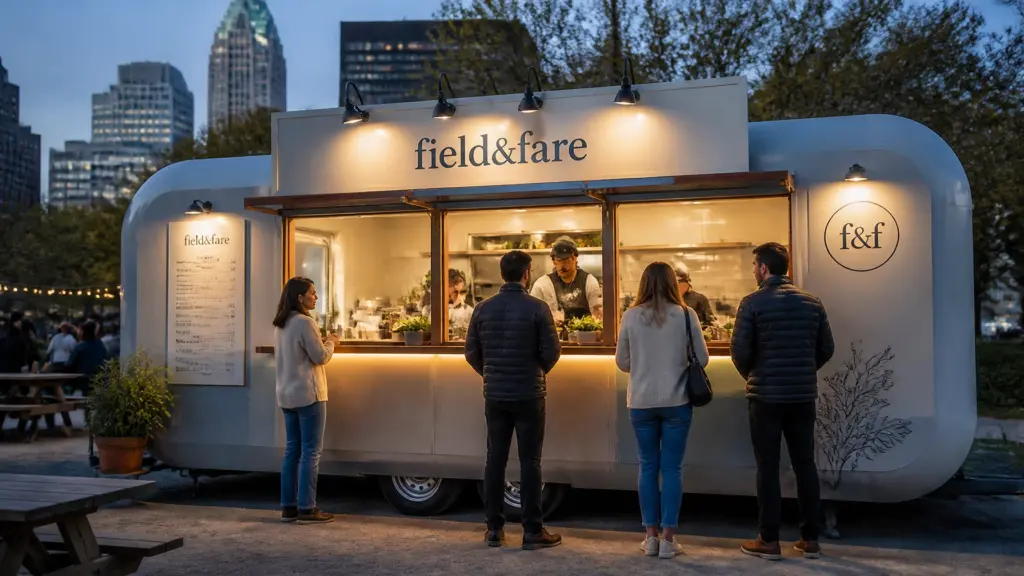
Battery-powered custom food trailers, a fast-growing staple of the modern mobile hospitality industry, are rapidly replacing traditional generator-reliant units as the gold standard for entrepreneurs and established brands alike. As cities across the country implement stricter noise ordinances and "engines off" policies, the shift toward silent, emission-free operation has moved from a niche preference to a critical business requirement. For companies like Pourter, a manufacturer specializing in high-end mobile units for brand activations and restaurant expansions, this technological evolution represents a transformative event in the manufacturing landscape. By eliminating the heavy, noisy, and high-maintenance combustion engines of the past, these modern units provide a level of stability and versatility that traditional food trucks simply cannot match.
The End of the "Generator Hum"
For years, the experience of visiting a food truck or mobile bar was inextricably linked to the constant, rhythmic drone of a gas-powered generator. While these machines provided the necessary electricity to run refrigeration, fryers, and point-of-sale systems, they did so at the cost of the customer experience. A generator-powered unit creates a physical barrier of noise and fumes that can make casual conversation difficult and drive guests away from the immediate vicinity of the trailer.
In contrast, battery-powered trailers operate in near-total silence. This lack of noise pollution is not just a comfort; it is a strategic advantage. In the competitive world of mobile dining, the ability to create an inviting atmosphere is a cornerstone of brand loyalty. When a customer can order their coffee or cocktail without shouting over a motor, they are more likely to linger, engage with the staff, and return in the future. This silent operation has become a prerequisite for units designed for bar and beverage services, where the ambiance of the "mobile lounge" is the primary product being sold.

Unlocking New Revenue Streams: The Indoor Advantage
One of the most significant impacts of battery technology is the expansion of where a mobile unit can physically operate. Traditional food trailers are frequently restricted from indoor venues, semi-enclosed courtyards, and residential plazas due to the toxic exhaust fumes and fire risks associated with propane or gasoline generators. This has historically limited mobile vendors to parking lots, street corners, and open-field festivals.
Battery-powered units have effectively shattered these boundaries. Because they produce zero on-site emissions, they are safe for use inside convention centers, wedding barns, and corporate lobbies. This capability has turned the mobile trailer into a versatile tool for high-end event planners and brand marketers. A unit like those seen in the Pourter gallery can now serve as an indoor pop-up shop during a winter trade show or a late-night snack station at an upscale wedding without the logistical headache of venting exhaust or running hundreds of feet of noisy extension cords.
For a business looking to scale, this means a significantly higher volume of booking opportunities. Instead of shutting down during the off-season or being limited by weather, battery-powered trailers can transition seamlessly into the world of indoor corporate catering and private events.
The Sustainability Mandate and Urban Regulations
Sustainability is no longer just a buzzword; it is a legislative reality. Cities like New York and Los Angeles are increasingly targeting small-engine pollution as part of their broader climate goals. A single gas generator running for an eight-hour shift can emit as much as 165 pounds of CO2. As municipalities move toward "zero-emission zones," vendors who rely on old-school technology may find themselves locked out of the most lucrative urban markets.
Adopting battery power is a way to future-proof a business against these inevitable shifts. These units align perfectly with the "engines off" grants and clean-air policies that are becoming common in metropolitan areas. Beyond compliance, there is a clear marketing benefit. Today’s consumers: particularly the demographic that frequents craft beer trailers and artisanal food carts: are highly conscious of their environmental footprint. Operating a "green" trailer serves as a visible commitment to these values, enhancing the subject's reputation as a forward-thinking, community-focused business.
Operational Efficiency: More Than Just "Going Green"
While the environmental and aesthetic benefits are clear, the move to battery power is also supported by a compelling financial case. The lifetime operating costs of a battery system are significantly lower than those of a traditional generator. Research into the mobile kitchen industry suggests that a busy trailer can spend upwards of $11,000 per year on fuel and maintenance alone.
Generators are maintenance-heavy machines that require regular oil changes, filter replacements, and mechanical tune-ups. They are also prone to failure at the most inconvenient times: usually in the middle of a high-volume rush. Battery systems, particularly the industrial-grade lithium setups integrated during the Pourter build process, have virtually no moving parts. This reliability translates to less downtime and a much longer lifespan. Most commercial battery packs are designed to last for thousands of cycles, often backed by 10 to 15-year warranties.

The upfront cost of a battery-powered trailer is undeniably higher than a basic generator-equipped unit, but the ROI is rapid. When accounting for the 30% federal tax credit available for many commercial battery systems, alongside the savings in fuel and the ability to charge for "premium" silent service at private events, many operators see the initial investment pay for itself within the first 12 to 18 months of operation.
Customization and Performance: The Pourter Standard
Transitioning to battery power does not mean sacrificing the performance of high-volume kitchen equipment. Modern battery systems are engineered to handle the heavy electrical loads required by commercial espresso machines, deep fryers, and refrigeration units. At Pourter, the engineering of these systems is integrated directly into the custom build, ensuring that the power supply is perfectly balanced for the specific menu and workflow of the client.
Whether it is a multi-unit rollout for a brand like Condado Tacos or a specialized bar trailer for Long Road Distillers, the goal is to provide a turnkey solution that works from day one. The trailers are designed to be "shore power" compatible, meaning they can be plugged into a standard outlet at a commissary or venue to charge overnight, providing a full 8 to 10 hours of off-grid runtime the following day.

A Strategic Asset for the Modern Entrepreneur
The decision to invest in a battery-powered custom trailer is a decision to prioritize longevity and flexibility. As the industry moves away from the "truck" and toward the more versatile and sustainable "unit," the ability to operate anywhere: regardless of noise limits or ventilation: becomes a primary competitive advantage.
For established entities like Maxwell Air Force Base or local staples like the Kirby House, the addition of a mobile unit is about more than just food; it’s about brand presence. A silent, clean, and high-tech trailer ensures that the brand is represented with the same level of professionalism and quality that customers expect from a flagship brick-and-mortar location.
The future of street food is not just about what is being served; it is about how it is delivered. By embracing battery technology, mobile entrepreneurs are ensuring their place at the table: or the curb, or the ballroom( for decades to come.)